
Apple cider vinegar isn’t great for your teeth. With a pH of 2.5–3.0, it’s way too acidic—your enamel starts breaking down around pH 5.5. While a 2023 study showed ACV kills some bacteria in a lab, that doesn’t mean it works in your mouth. You might see tiny whitening, but you’re risking erosion, sensitivity, and cavities. The bacteria-fighting benefit doesn’t outweigh the damage. Stick with dentist-approved options instead, though there’s plenty more to know about protecting your smile.
Why Is ACV So Acidic and Why Does It Matter for Your Teeth?
Ever wondered why apple cider vinegar has such a sharp, puckering taste? That’s acetic acid at work. ACV typically has a pH between 2.5 and 3.0, making it seriously acidic. Here’s what matters for your teeth: your enamel—that protective coating—starts breaking down around pH 5.5. So when you expose your teeth to ACV, you’re way below that safety threshold.
Think of it this way. Repeated or prolonged contact gradually weakens your enamel. Once that happens, sensitivity increases, cavities become more likely, and staining gets worse. The tricky part? Diluting ACV with water doesn’t actually remove the acidity. Your teeth don’t care if the acid’s concentrated or watered down—exposure is exposure. Understanding this helps you make smarter choices about using ACV.
How Does Acidity Erode Tooth Enamel Over Time?
When you expose your teeth to apple cider vinegar’s acidic environment—which sits between 2.5 and 3.0 on the pH scale—your enamel starts losing minerals in a process called demineralization, basically the opposite of what you want happening to your teeth. The acetic acid in ACV acts like a chemical eraser, weakening that hard protective outer layer with each contact, and vinegar causes more erosion than many other substances tested against it. What makes this especially risky isn’t just one sip; it’s the repeated or prolonged exposure over time that gradually breaks down your enamel and opens the door to cavities, staining, sensitivity, and infection.
Enamel Demineralization Process
Because your tooth enamel is made up of mineral crystals called hydroxyapatite, it’s actually vulnerable to acids—and that’s where apple cider vinegar becomes a concern. When you expose your teeth to acidic substances like apple cider vinegar (pH 2.5–3.0), the acid dissolves these mineral crystals through a process called enamel demineralization. Your mouth’s critical pH threshold sits around 5.5; anything below that triggers demineralization. The acid creates tiny holes and rough spots in your enamel, making it weaker and more prone to staining and cavities. Your saliva tries fighting back, redepositing calcium and phosphate to rebuild enamel through remineralization. But here’s the thing: if you’re frequently exposed to acidic foods or drinks, demineralization wins out, and your teeth lose the battle.
pH Levels And Tooth Damage
Now that you understand how acid attacks your enamel at the molecular level, let’s look at the numbers behind it all. Apple cider vinegar clocks in at a pH of 2.5 to 3.0—that’s highly acidic. To put this in perspective, your teeth prefer a neutral pH of 7.0, so ACV is far more acidic than what your enamel can handle. Here’s the problem: the longer your teeth sit in that acidic environment, the more minerals they lose. We’re talking about gradual, cumulative damage that happens with repeated exposure. A 2022 study found that vinegar—including apple cider vinegar—ranked among the strongest substances tested for causing enamel erosion. The takeaway? Those low pH levels directly translate to weakened teeth, increased sensitivity, and long-term damage.
Can Diluting Apple Cider Vinegar Reduce Enamel Damage?
You might think diluting apple cider vinegar would make it safer for your teeth, but here’s the thing: watering it down doesn’t actually change how acidic it is. The pH stays around 2.5 to 3.0 whether you dilute it or not. That means enamel erosion is still a concern.
| Strategy | Effectiveness | Effort Level |
|---|---|---|
| Diluting ACV | Minimal protection | Low |
| Using a straw | Reduces contact | Low |
| Rinsing after use | Helps significantly | Low |
| Waiting 30 minutes before brushing | Protects enamel | Low |
Your frequency matters most. Occasional sipping causes less damage than daily consumption. I’d recommend using a straw to limit tooth contact, rinsing with water afterward, and waiting before brushing. These practical steps protect your enamel better than dilution alone.
Does Apple Cider Vinegar Actually Kill Bacteria?
a 2023 test-tube study showed that 5% acetic acid in diluted apple cider vinegar does kill certain oral bacteria, performing similarly to sodium hypochlorite (the stuff in professional mouth rinses).
The antimicrobial properties appear promising. Some sources suggest that when you use ACV as a mouth rinse in limited, controlled ways, it might reduce plaque and harmful bacteria. But—and this is important—here’s the catch: these results come from test tubes, not real human mouths. We can’t just assume lab results translate directly to treating actual tooth infections in you or me.
Whitening vs. Enamel Damage: The Real Trade-Off
I’ll be honest—while ACV might whiten your teeth a bit, the real question is whether that brighter smile is worth the damage happening underneath. Your tooth enamel has a pH sweet spot around 6.5, but ACV clocks in at pH 2.5–3.0, which means it’s acidic enough to gradually wear down that protective layer even when you dilute it, leading to sensitivity, decay, and potentially expensive dental work down the road. So here’s the trade-off: you might get slightly whiter teeth in the short term, but you’re risking long-term enamel erosion that professional whitening options can avoid entirely.
The Whitening Paradox
So here’s the thing about apple cider vinegar and teeth whitening—it’s complicated. You might get some whitening results, sure. A 2014 study showed bleaching effects from ACV, white vinegar, and hydrogen peroxide. But here’s the catch: that same acidity (pH 2.5–3.0) that whitens your teeth also causes enamel erosion. We’re talking increased cavity risk and tooth sensitivity down the road.
The paradox? You’re trading long-term tooth health for short-term brightness. Diluting ACV helps reduce swallowing risks, but doesn’t stop enamel damage. Frequent, long-term exposure makes things worse. Experts recommend using a straw, rinsing with water after, and skipping brushing for 30 minutes. Honestly though, professional whitening options exist that protect your enamel better. That’s the smarter trade-off.
Enamel Erosion Risk Assessment
that same acidity making your teeth brighter is simultaneously dissolving the protective enamel that keeps them strong. I know it’s frustrating—you’re chasing whiteness while unknowingly trading away durability.
Here’s what’s actually happening:
- pH levels matter: ACV’s 2.5–3.0 pH demineralizes enamel faster than you’d expect, especially with daily exposure
- Dilution doesn’t solve it: Even watered-down vinegar causes long-term damage through repeated sipping
- Sensitivity follows: Once erosion starts, increased cavity risk and tooth sensitivity become your new reality
The protective practices—straws, rinsing, waiting thirty minutes before brushing—help reduce contact time. But here’s the honest truth: they don’t eliminate enamel erosion risk entirely. You’re managing damage, not preventing it completely.
Why Is Daily Sipping Riskier Than Occasional Use?

Occasional exposure is manageable, but consistent, daily consumption stacks the odds against you. Spacing out your intake and using protective habits like straws or rinsing afterward helps protect your teeth.
Does ACV Interact With Your Medications?
While protecting your teeth from acid damage is important, there’s another side of the apple cider vinegar story that deserves your attention—how it plays with medications you might already be taking.
If you’re on meds, I’d encourage you to chat with your healthcare provider before adding ACV to your routine. Here’s why:
- Diuretics and potassium: Combining vinegar with water pills can dangerously lower your potassium levels, leaving you lightheaded or experiencing irregular heartbeats.
- Diabetes medications: ACV may interfere with insulin or other diabetes medications by affecting blood sugar and potassium balance.
- Individual variations: Your specific health conditions matter—what’s risky for one person might be fine for another.
After consuming ACV, watch for unusual symptoms. We’re all different, so staying informed protects your health.
Protective Strategies: Straws, Rinsing, and Safe Timing
If you’re going to drink ACV, here are a few practical moves that can help protect your teeth: using a straw, rinsing with water afterward, and timing your brushing right. These three strategies won’t turn ACV into a tooth-friendly drink, but they’ll reduce how much acid actually touches your enamel and how long it sticks around. Think of them as your defensive playbook—small actions that add up to real protection over time.
Using Straws Effectively
Since apple cider vinegar’s acidity can gradually wear down your tooth enamel, one of the smartest moves you can make is using a straw when you drink it. This simple tool does protect your smile.
Here’s why straws work so well for ACV consumption:
- They bypass your front teeth entirely, directing the liquid straight to your throat
- They minimize prolonged contact between the acidic liquid and your tooth surfaces
- They create a barrier that keeps the vinegar from splashing around your mouth
When you’re sipping ACV, position the straw toward the back of your mouth. This technique keeps your enamel safer without requiring you to give up the health benefits you’re seeking. It’s a small adjustment that provides real benefits for your dental health.
Rinsing and Neutralizing Acids
Using a straw gets the job done, but you’re not completely finished protecting your teeth once you’ve finished your apple cider vinegar. The next step? Rinsing with plain water.
After you finish your ACV drink, grab some water and swish it around your mouth for about 30 seconds. This rinsing dilutes the leftover acids clinging to your teeth and gums. Here’s the bonus: rinsing stimulates your saliva production, which naturally neutralizes remaining acid. Your saliva is your mouth’s built-in bodyguard.
Now, here’s what you shouldn’t do—and this matters—don’t brush your teeth immediately. Wait at least 30 minutes. Brushing too soon actually speeds up enamel damage by grinding softened tooth material away. I know it feels counterintuitive, but patience protects your smile better than jumping straight to your toothbrush.
Timing Your Brushing Habits
When should you actually brush after drinking apple cider vinegar? Timing matters more than you’d think. Here’s what works best:
- Wait at least 30 minutes before brushing your teeth after ACV consumption
- Avoid brushing immediately, since your enamel’s temporarily softened and vulnerable to tooth enamel erosion
- Consider scheduling your ACV intake away from your regular brushing routine
The reason? Your tooth enamel needs time to re-harden after acid exposure. Brushing too soon is like scrubbing a freshly washed car before it dries—you’re just asking for trouble. I used to rush straight to the sink, thinking I was being smart about oral hygiene. Turns out, patience actually protects your teeth better. Give yourself that half-hour buffer, and you’re helping your smile stay stronger.
The 30-Minute Rule: When to Brush After ACV
How long should you really wait before brushing? I’d recommend holding off for at least 30 minutes after consuming apple cider vinegar. Here’s why: ACV’s pH sits around 2.5–3.0, making it very acidic. When you brush immediately, you’re scrubbing that acid directly into your tooth enamel, which softens it and increases abrasion damage. Your saliva needs time to do its job—neutralizing the acid and re-mineralizing your enamel naturally. Even diluted ACV poses risks with frequent use, so patience pays off here. After drinking it, rinse with plain water first. This simple step reduces lingering acidity and kickstarts your saliva’s protective buffering system. Wait those 30 minutes, then brush normally.
Red Flags: Sensitivity, Discoloration, and Weakness

Now that you know the 30-minute waiting period protects your enamel during brushing, let’s talk about what happens when ACV catches up with your teeth over time. Even with precautions, regular exposure triggers enamel erosion—and your teeth will tell you about it.
Watch for these warning signs:
- Tooth sensitivity – Sharp pain when eating hot, cold, or sweet foods signals weakened enamel
- Discoloration – Yellow or dull patches appear as protective enamel thins
- Visible weakness – Notches at the gum line or rough, worn edges mean structural damage
You’ll notice these changes gradually. That’s your mouth’s way of saying the acid’s winning. If sensitivity creeps in or your teeth look different, it’s time to scale back ACV use and chat with your dentist about what’s happening beneath the surface.
Professional Whitening vs. Apple Cider Vinegar
Looking at your whitening options, you’ll quickly see that professional treatments and apple cider vinegar aren’t in the same league.
| Feature | Professional Whitening | Apple Cider Vinegar |
|---|---|---|
| Results | Several shades in one visit | Minimal, gradual changes |
| Enamel Safety | Designed to protect enamel | Risks enamel erosion |
| pH Level | Controlled, neutral formulas | Highly acidic (2.5–3.0) |
| Dentist Approval | Recommended and proven | Generally advised against |
I get it—ACV seems cheaper and natural. But here’s the reality: professional whitening uses dental-grade gels and techniques that work without compromising your teeth. ACV’s acidity can demineralize your enamel and increase decay risk with frequent use. Your dentist can recommend safe, effective whitening tailored to your tooth health instead of gambling with DIY methods.
Does Apple Cider Vinegar Actually Relieve Toothaches?
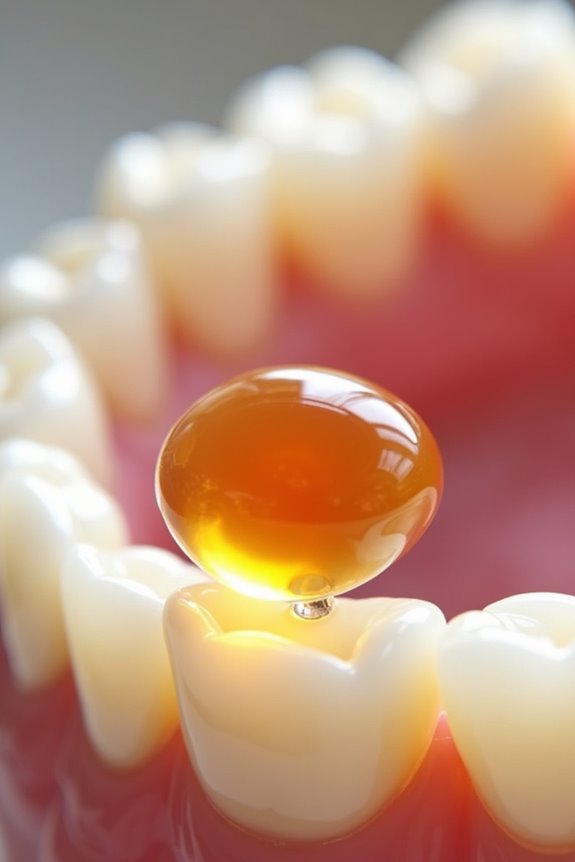
When you’re dealing with a toothache at 2 AM and the dentist’s office won’t open for hours, apple cider vinegar might seem like a solution—and it’s tempting to try anything that promises relief.
Here’s the reality: ACV can temporarily reduce toothache pain, but it’s not a real solution. Here’s why it might help:
ACV can temporarily reduce toothache pain, but it’s not a real solution—it only masks symptoms of a deeper problem.
- Its antibacterial properties kill some bacteria causing pain
- The acidic nature numbs discomfort temporarily
- It’s accessible and cheap compared to emergency dental care
That said, you’re just masking symptoms. A toothache signals something’s wrong—decay, infection, or damage—and only a dentist can identify the actual problem. Use ACV as a short-term band-aid while scheduling an appointment, never as a replacement for professional care.
How to Rinse and Neutralize Acid After Consumption

So you’ve taken your apple cider vinegar—diluted in water, hopefully—but now what? ACV rinsing is your next move. Grab some plain water and swish it around your mouth for short periods. This neutralizes lingering acids and cuts down how long they sit on your teeth. Here’s the thing: don’t brush immediately. Wait at least 30 minutes so you’re not scrubbing softened enamel. Your saliva’s already working hard to protect your teeth, so rinsing with water actually helps stimulate that natural defense. If you want to minimize damage long-term, dilute your ACV more and limit how often you use it. Using a straw during consumption helps too—less direct contact means less risk.
When Should You See a Dentist About Enamel Erosion?

If you’ve been sipping ACV regularly and notice your teeth feeling sensitive to hot or cold foods, looking more yellow or transparent, or experiencing new pain when you bite down, that’s your cue to schedule a dental appointment. You don’t need to wait for a full-blown cavity to show up—catching these warning signs early gives your dentist the best chance to assess how much erosion has actually happened and recommend next steps. If you’re consuming ACV daily, you should get a professional evaluation at least once a year to stay on top of any changes.
Warning Signs And Symptoms
How do you know if apple cider vinegar’s acidity has actually damaged your teeth? Watch for these warning signs:
- Tooth sensitivity – You feel sharp pain when eating hot, cold, or sweet foods, signaling tooth enamel erosion has exposed the softer dentin underneath.
- Visible wear – Your teeth look flatter, shorter, or more translucent along the edges, showing enamel loss from ACV’s low pH of 2.5–3.0.
- Color changes and gaps – Your teeth appear more yellow or you notice small gaps forming along the gumline where erosion has worn away protective enamel.
If you’re experiencing these symptoms after regular ACV use, schedule a dental appointment soon. Don’t wait—early intervention prevents cavities, infection, and further damage to your smile.
Professional Evaluation Timeline
Recognizing those warning signs—sensitivity, visible wear, color changes—tells you it’s time to book that dental appointment, but here’s what you really need to know: you shouldn’t wait around wondering if things will get better on their own. Schedule a visit within two weeks of noticing symptoms. Your dentist can assess tooth enamel erosion using specific tools and imaging to catch damage early, before it progresses into costly complications. They’ll examine whether your enamel shows demineralization patterns and determine the extent of wear. If you’ve been using ACV regularly—especially for whitening or health reasons—mention this directly. Your dentist can create a personalized plan to protect what enamel remains and discuss treatment options for any existing damage. Don’t delay; professional evaluation prevents bigger problems down the road.
Your Safest Oral Care Routine

Want to use apple cider vinegar without turning your teeth into Swiss cheese? Here’s a straightforward approach that works.
- Use a straw every single time – This keeps the acidic liquid away from your enamel and is the easiest step you can take.
- Rinse immediately with plain water – Swish for about 30 seconds to neutralize acids and activate your saliva production.
- Wait 30 minutes before brushing – Brushing right after softens your enamel temporarily, so patience matters here.
Limit ACV use to a few times weekly, monitor for sensitivity or discoloration, and schedule dental checkups regularly. These habits let you explore ACV’s benefits while protecting your smile.