

Baking soda works in your baked goods by producing carbon dioxide bubbles that lift and lighten them. When you mix it with acidic ingredients like buttermilk or lemon juice, it reacts immediately, creating gas that aerates your cookies and cakes. It also raises pH levels, weakening gluten strands for a tender crumb. Use roughly ¼ teaspoon per cup of flour—too much creates a bitter, metallic taste.
The reaction occurs when acid meets heat, delivering maximum rise and structure. Understanding this chemistry explains why your recipes work the way they do.
What Baking Soda Is and Why It Matters in Your Kitchen
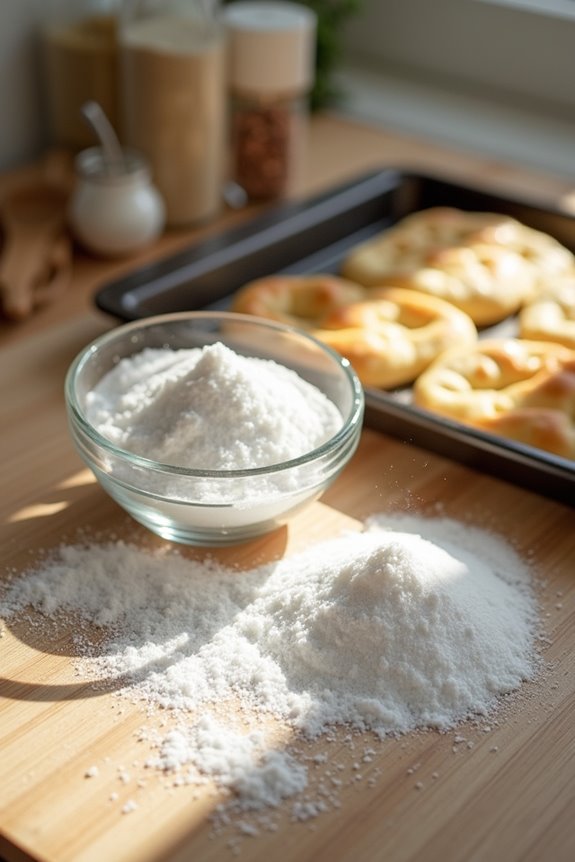
Ever wondered why some cookies turn out fluffy and tender while others come out dense and tough? The answer lies in baking soda, or sodium bicarbonate if you prefer the scientific term. Baking soda is a leavening agent that produces specific results in your kitchen. Here’s how it works: when baking soda meets acids and liquids, it triggers a chemical reaction that produces carbon dioxide bubbles. Those bubbles cause your baked goods to rise and remain light. It also raises your dough’s pH level, weakening gluten strands for that tender texture. The standard ratio is approximately 1/4 teaspoon per cup of flour. Understanding how baking soda behaves under oven temperature allows you to achieve consistent results in your baking.
How Baking Soda Makes Baked Goods Light and Fluffy
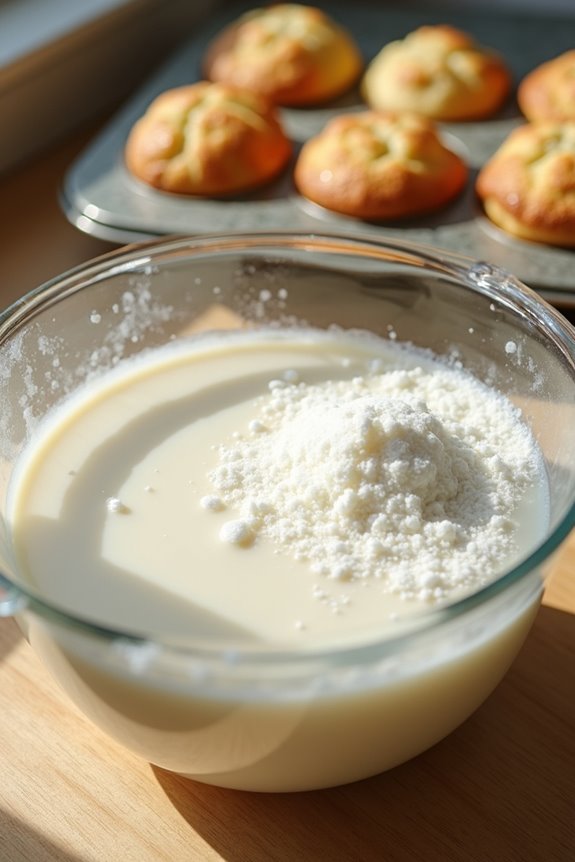
Why do some of my cookies come out pillowy soft while others turn into hockey pucks? The answer lies in baking soda, your leavening agent. When baking soda combines with liquids and acids in your dough, it kicks off an acid-base reaction that produces carbon dioxide gas. These tiny bubbles create that airy crumb we’re after—the light, fluffy texture that makes cookies and cakes satisfying.
Here’s what’s happening behind the scenes: baking soda raises dough pH, which weakens gluten strands and yields that tender texture you’re chasing. Even small amounts pack serious punch. Just a quarter teaspoon can transform your batter into something wonderfully light. That gas production isn’t just chemistry—it’s your ticket to baked goods that deliver on their promise of deliciousness.
Why Acid and Heat Make Baking Soda Work
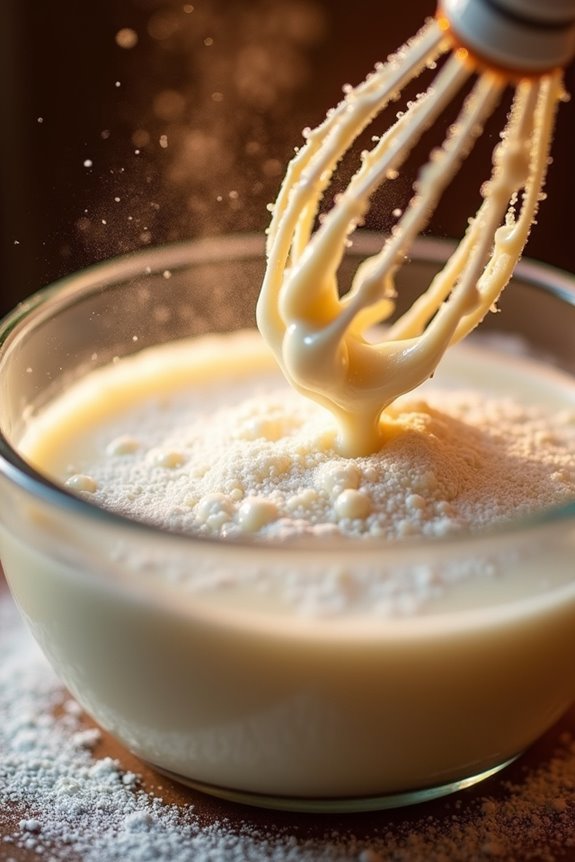
Now that you understand how baking soda creates those fluffy air bubbles, let’s look at what actually triggers the reaction—because baking soda needs something to activate it.
Here’s what happens: baking soda relies on two main triggers for that leavening reaction. First, acid-base chemistry kicks in when baking soda meets acidic ingredients like buttermilk or lemon juice. Second, heat activation occurs when temperatures climb above 122°F, releasing carbon dioxide independently.
| Trigger | Temperature | Result |
|---|---|---|
| Acid reaction | Room temp | Immediate bubbles |
| Heat alone | 122°F+ | Delayed rising |
| Both combined | 350°F+ | Maximum lift |
When you combine acid and heat, you’re giving baking soda a one-two punch. The carbon dioxide release happens faster, creating that optimal rise. Plus, the higher pH from this reaction weakens gluten strands, giving you that desirable dough tenderness in cookies and pastries.
Baking Soda vs. Baking Powder: Which Lifts Better?
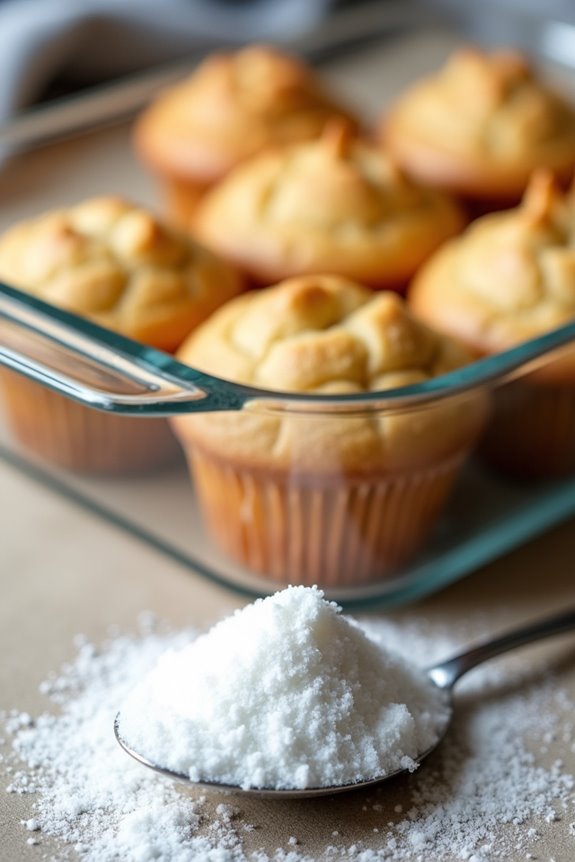
So when it comes to baking soda and baking powder, they might sound like interchangeable ingredients, but they’re actually quite different when it comes to lifting your baked goods. Here’s the thing: baking soda is a pure leavening agent that needs acid to work, creating those essential air pockets instantly. Baking powder, though, already contains acid mixed in, so it works without you needing to add anything extra. Baking soda reacts fast and hard—perfect for quick-bake treats where you need immediate lift. Baking powder, meanwhile, has two rise times: one when wet, another when heat hits it. Choose baking soda for acidic batters; pick baking powder when you’re skipping the acid entirely.
How Much Baking Soda to Use Without Ruining Your Recipe
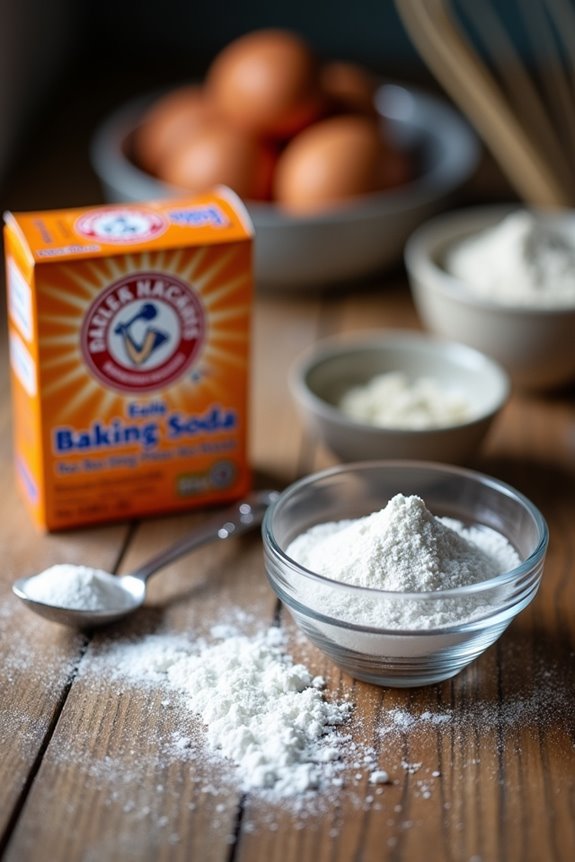
Understanding the difference between baking soda and baking powder gets you halfway there, but here’s what really matters: getting the amount right. I’ve learned that using too much baking soda ruins everything—your baked goods taste bitter and metallic. The standard recipe ratio is about 1/4 teaspoon per 1 cup of flour, and honestly, that’s what you need to follow. Here’s why precision counts: small amounts create significant CO2 release during baking temperature, which drives rise and builds crumb structure. Too much? Your leavening agent overreacts, producing excess gas that escapes before your cookies set. Follow your recipe carefully, measure precisely, and you’ll nail it. Small adjustments matter when you’re working with such a powerful ingredient.
Tenderize Meat and Soften Acidic Dishes
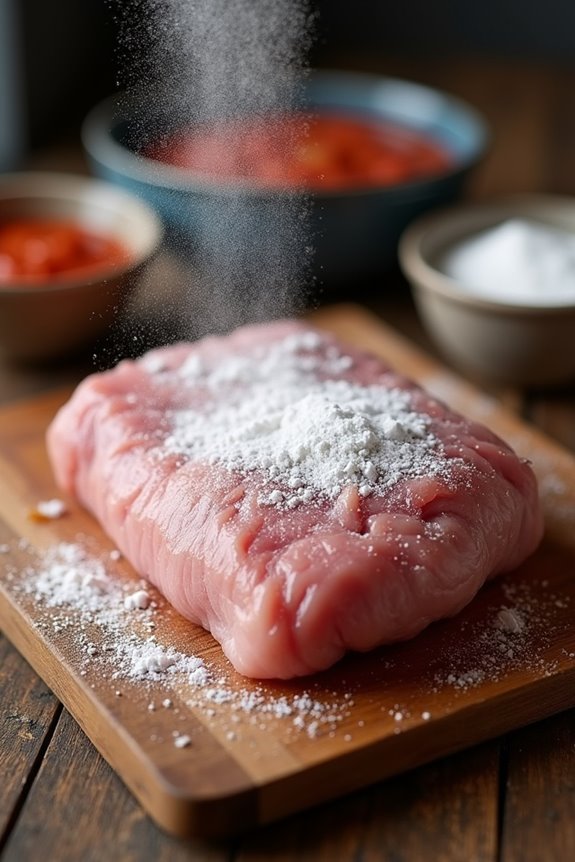
Beyond baking, baking soda’s ability to raise pH and soften things makes it useful in the kitchen—especially when you’re dealing with tough meat or overly tangy dishes. Baking soda’s pH impact extends far beyond leavening. When you sprinkle it on meat, it breaks down proteins, making even cheaper cuts tender and juicy. For acidic dishes like tomato-based sauces or vinegar marinades, a pinch neutralizes that sharp tang without ruining flavor. The carbon dioxide release from the chemical reaction helps everything become gentler on your palate. You’re not just leavening—you’re altering textures and balancing flavors. Start with ¼ teaspoon per pound of meat, let it sit briefly, then cook. Your family will notice the difference.
Clean Your Kitchen and Appliances With Baking Soda
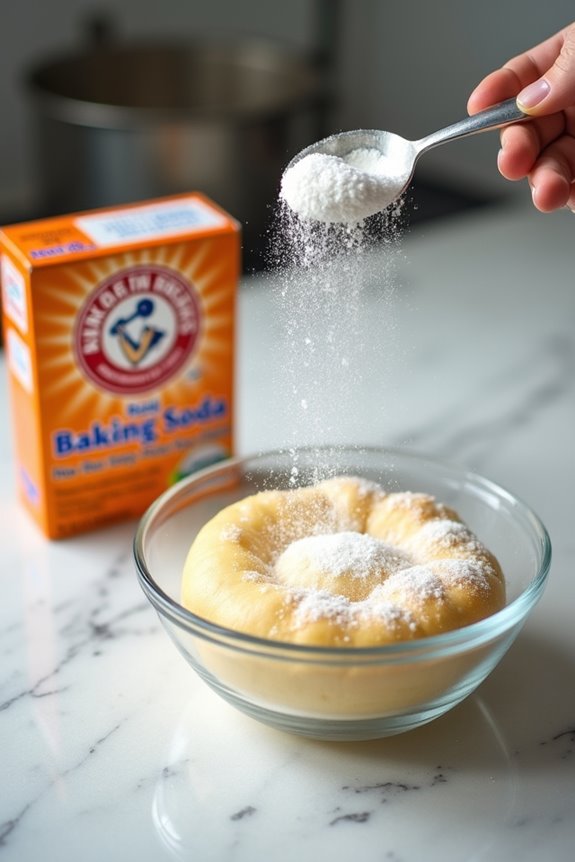
I’ve discovered that baking soda isn’t just for baking—it’s a practical cleaner that works well on kitchen messes, from grimy stovetops to smelly refrigerators. When you sprinkle it on surfaces, dampen it slightly, and scrub, the same chemical reaction that makes your cookies fluffy breaks down stains and lifts away baked-on gunk without scratching your pots and pans. Plus, it absorbs odors naturally, so you can eliminate funky fridge smells without relying on harsh chemicals.
Multi-Surface Cleaning Power
While baking soda’s leavening properties work inside your oven, this humble powder performs equally well outside it—restoring grimy countertops, crusty stovetops, and dingy appliances to their original condition. This versatile powder tackles stubborn messes because of its mild abrasive properties and alkaline nature. Mix it with water to create a paste, then scrub away baked-on food, grease, and stains. It’s gentle enough for delicate surfaces yet effective for heavy-duty cleaning.
| Surface | Method | Time | Results |
|---|---|---|---|
| Stovetops | Paste application | 10 minutes | Effective cleanup |
| Counters | Damp cloth | 5 minutes | Streak-free shine |
| Appliances | Spray mixture | 15 minutes | Restored appearance |
| Ovens | Thick paste | Overnight | Grime-free interior |
Deodorizing Kitchen Spaces
Ever noticed how your fridge smells like last week’s fish dinner, or how your garbage disposal has that funky odor that won’t quit? Baking soda deodorizing offers a practical solution for odor elimination throughout your kitchen.
Place an open box in your fridge, and it neutralizes odors naturally. For your garbage disposal, sprinkle baking soda directly down, then flush with hot water. For fresh-smelling trash cans, dust the bottom with baking soda before adding a new liner.
The advantage of cleaning with baking soda lies in its odor-neutralizing properties—it doesn’t mask smells; it actually eliminates them. Unlike artificial air fresheners, baking soda tackles the root cause. Replace your fridge box monthly for best results. This approach to deodorizing kitchen spaces will produce noticeable results.
Scrubbing Tough Stains
When stubborn, baked-on gunk won’t budge with regular dish soap, baking soda is a reliable option. This humble powder works well on burnt pans and stovetops. Here’s my go-to method: I sprinkle baking soda directly onto the crusty spot, add a splash of water to form a paste, then let it sit for fifteen minutes. The mild abrasive texture—gentler than steel wool—scrubs away buildup without scratching surfaces. What makes baking soda so effective? Its alkaline nature breaks down stubborn residue. For extra tough jobs, I add a bit of vinegar, which creates a fizzy reaction that lifts grime. Your kitchen will be clean, and you’ll find this affordable ingredient handles multiple cleaning tasks effectively.
Remove Stubborn Odors From Your Fridge and Home
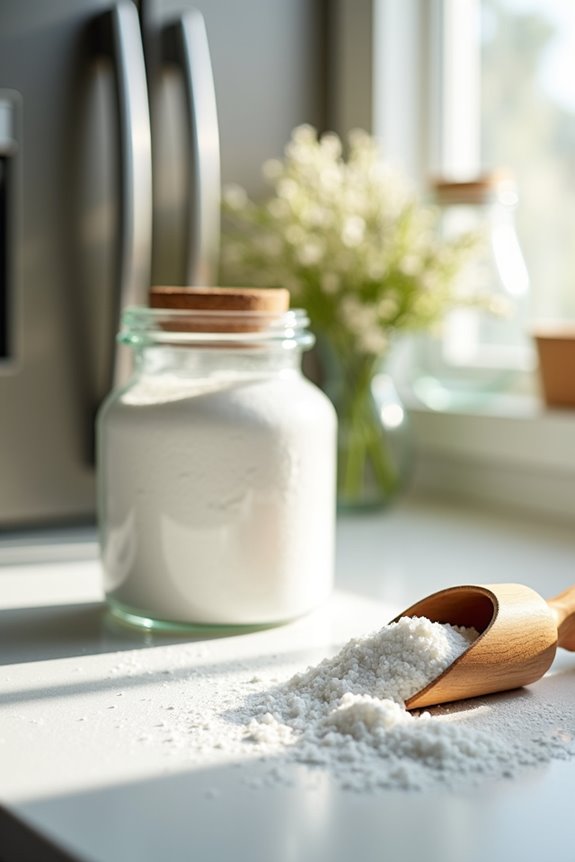
How’d you like to open your fridge and actually enjoy the smell? I’ve discovered that baking soda works well for this exact problem. Here’s what happens: baking soda’s basic nature neutralizes acidic odor particles rather than just masking them. A 2015 study confirmed it eliminates odors, creating fresher air.
| Method | How It Works | Results |
|---|---|---|
| Place 1 cup | Basic nature counteracts acids | Eliminates odor particles |
| Shake jar weekly | Re-exposes surface to air | Extends effectiveness |
| Refresh fragrance | Reactivates odor neutralization | Maintains freshness |
| Beyond fridge | Works throughout your home | Tackles stubborn smells |
I keep a cup in my fridge’s back corner. When the scent fades, I simply shake the jar to refresh it. You’ll notice the difference—no more holding your breath when grabbing milk.
Whiten Your Teeth and Improve Oral Health Naturally
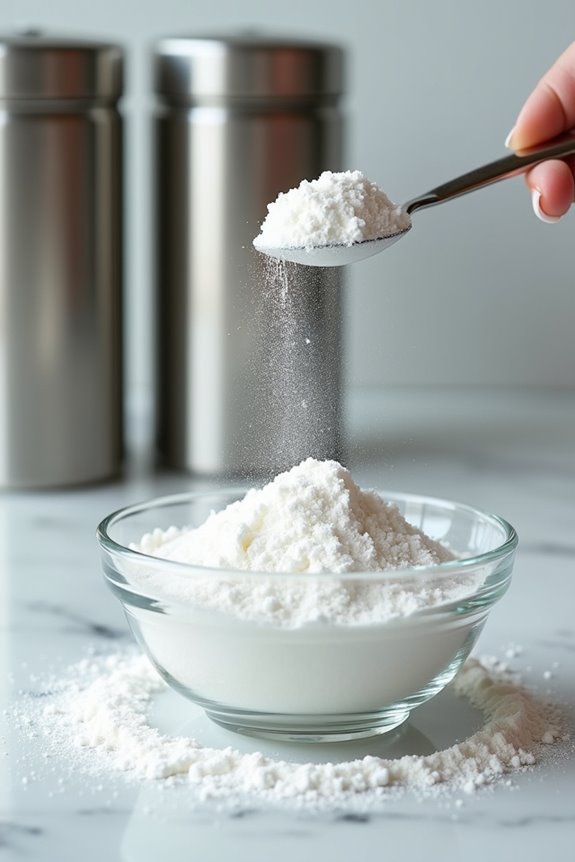
Baking soda’s mild abrasive properties make it effective for brightening your smile and maintaining healthy gums. You can create a simple paste by mixing baking soda with water, then gently brush your teeth for two minutes. The alkaline effects that tenderize baked goods also neutralize acidic reactions in your mouth that cause discoloration and decay. Unlike harsh whitening treatments, this gentle approach won’t damage your enamel. Using baking soda two to three times weekly noticeably whitens teeth over several weeks. Its cleaning and whitening properties work because the mild abrasive particles remove surface stains without being too aggressive. You’re basically using the same ingredient that helps baking soda act as leavening in cookies to naturally freshen your breath and brighten your smile.
Does Baking Soda Really Help With Heartburn?

Does Baking Soda Really Help With Heartburn?
Ever felt that burning sensation in your chest after a big meal and wondered if something in your kitchen could actually help? Baking soda heartburn relief does work. Here’s what you need to know:
- Mix 1 teaspoon (5 g) in cold water and sip slowly for sodium bicarbonate neutralize acid action
- It works by raising stomach pH, temporarily neutralizing excess acid through stomach pH neutralization
- Dosage for heartburn matters—don’t overdo it, or you’ll risk nausea, vomiting, and headaches
- Potential side effects include metabolic alkalosis with continued use, plus heart problems
Before you try this remedy, especially if you’ve got existing health conditions, talk to your doctor. It provides temporary relief that works, but it’s not a long-term solution.