
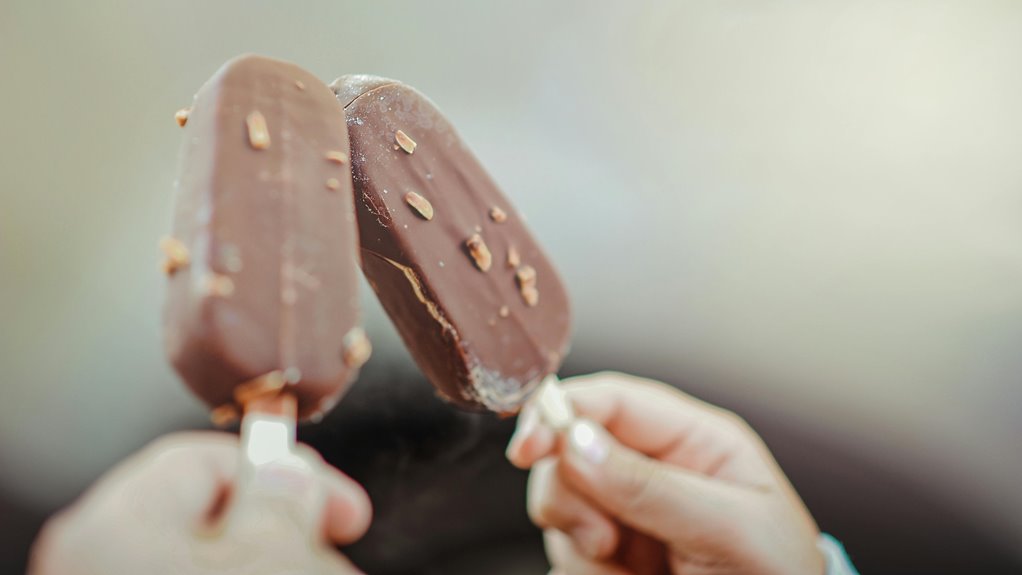
Yes, ice cream is absolutely a dessert. The FDA defines it as such when it contains at least 10% dairy fat, milk protein, and sugars—ingredients that work together to create that signature creamy texture. The churning process adds air, which makes ice cream feel smooth and rich rather than icy.
What separates ice cream from sorbet or gelato comes down to fat content and how much air gets whipped in. But there’s actually more to this sweet story than just those basic ingredients.
What Makes Ice Cream a Dessert?
Ever wonder why ice cream gets the dessert label while a frozen juice bar doesn’t? It comes down to what’s actually in the stuff. Real ice cream contains dairy fat, milk protein, and sugars—ingredients that create its signature creamy texture. The US FDA requires at least 10% milk fat to officially call something ice cream rather than a frozen dessert. But here’s where it gets interesting: it’s not just about fat content. The churning process introduces air, called overrun, which gives ice cream that fluffy, semi-solid feel. Without enough fat and overrun, you’d end up with something icy and dense. So when you’re enjoying that scoop, you’re tasting a carefully balanced combination of dairy, sweetness, and air that changes simple ingredients into the dessert we all recognize and love.
How Does Ice Cream Differ From Sorbet, Gelato, and Frozen Yogurt?
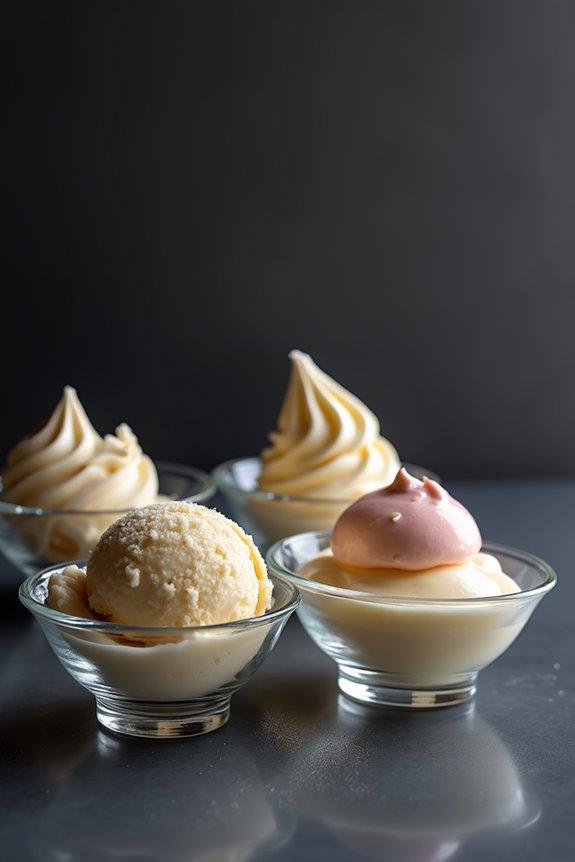
I’ve noticed that ice cream, sorbet, gelato, and frozen yogurt might all look similar in a bowl, but they’re actually quite different under the surface—especially when it comes to fat content and how they freeze. Ice cream’s got that creamy richness because it contains dairy fat (usually 10-16%), while sorbet has zero dairy and relies on fruit juice or puree, making it lighter and icier; gelato sits somewhere in between with less fat than ice cream but a denser texture, and frozen yogurt uses yogurt as its base so it can vary widely in fat depending on the recipe. The freezing point and texture you get from each one depends directly on that fat content and how much air gets churned in—more fat and air means creamier ice cream, while less air and lower fat gives you gelato’s characteristic chewiness, and no dairy at all in sorbet creates those refreshing ice crystals you taste.
Fat Content And Composition
What makes ice cream feel so creamy on your tongue compared to sorbet or gelato? The answer lies in fat content and something called overrun. Ice cream contains 10% or more dairy fat, which gives it that luxurious richness we crave. Sorbet? It’s got zero dairy fat—that’s why it tastes lighter and icier. Gelato sits somewhere in the middle, typically containing less dairy fat than traditional ice cream. But here’s where it gets interesting: overrun, the air whipped into the product, matters just as much. Premium ice creams have lower overrun, creating denser, creamier textures. Economy brands pack in more air, resulting in lighter products. Together, fat content and overrun determine texture. Higher fat plus lower overrun equals that indulgent richness you’re after.
Freezing Point And Texture
The formation of ice cream occurs below 0°C, where fat and air transform a simple mixture into something smooth and creamy. Ice cream’s fats and emulsified air create a foam that traps unfrozen water, which prevents large ice crystals from forming. Sorbet, though, takes a different path—it skips the fats entirely and relies on sugar to lower the freezing point instead.
Here’s where overrun matters. Gelato uses less air than traditional ice cream, creating that denser, chewier texture you’re after. Frozen yogurt lands somewhere in between, offering a lighter feel with tangy flavor. The unfrozen phase in ice cream, shaped by sugars and proteins, keeps ice crystals small and uniform. Sorbet depends mainly on sugar and water alone, resulting in a completely different texture that’s refreshingly icy.
The Science Behind Ice Cream’s Creamy Texture
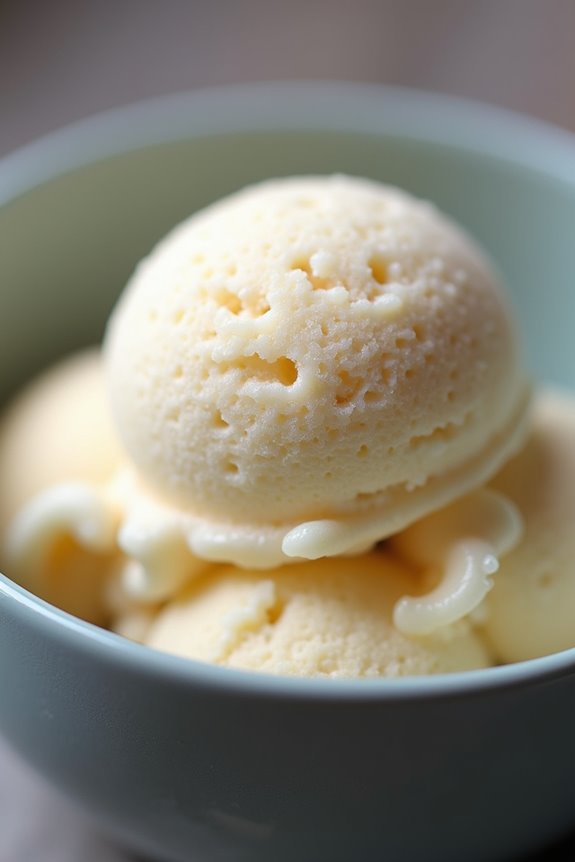
Ever wonder why premium ice cream melts so smoothly on your tongue while cheaper versions feel icy and grainy? It comes down to what’s happening at the microscopic level.
Ice cream’s creamy texture depends on three key players:
- Ice crystals – smaller ones equal smoother texture; larger ones create that unpleasant graininess
- Fat globules – they coat ice crystals and air bubbles, creating creaminess
- Overrun – the air whipped into ice cream that makes it fluffy
Here’s the thing: stabilizers prevent ice crystals from growing during storage, while fat globules work together to keep everything dispersed evenly. The more carefully these elements are balanced, the smoother your spoon glides through. That’s why you notice the difference between premium and budget brands—it’s science you can actually taste.
Ice Cream in Dessert Traditions Across Cultures
I’ve noticed that ice cream shows up differently depending on where you look—Italian gelato’s denser texture contrasts sharply with the airier American version, while South Asian kulfi and Levantine Booza each bring their own unique bases and tastes to the table. What’s worth noting is how ice cream’s journey from fancy salon treat to everyday street vendor staple tells us something about how dessert traditions shift and adapt across societies. The regional variations, the way these frozen treats evolved historically, and the specific ingredients different cultures chose all reveal that ice cream isn’t just one dessert, but really a whole family of frozen creations that fit into countless culinary traditions.
Regional Frozen Dessert Forms
How’d you like to eat ice cream that stretches like taffy or crunch through ice crystals the size of your pinky nail? That’s what I love about regional frozen desserts—they’re wildly different from what we think of as standard ice cream.
Take gelato from Italy. It’s denser and chewier than regular ice cream because it contains 4–9% fat and less air. Then there’s dondurma from Turkey, which gets its signature stretchy texture from stabilizers and mastic resin. Quite different, right?
But frozen treats go way beyond churned ice cream:
- Granita uses fruit purée scraped into large crystals, no churning required
- Sicilian gelato thickens its cooked milk base with cornstarch
- Piragua from Puerto Rico layers shaved ice with fruit syrups in a cone
Each region’s version tells its own story.
Historical Serving And Traditions
While those regional frozen treats each bring their own characteristics to the dessert table, ice cream itself has quite the storied past—and it’s been showing up on tables as a proper dessert for way longer than you’d think. Back in the 17th and 18th centuries, early English cookbooks like Mary Eales Receipts featured ice cream recipes. Colonial America embraced it too—Benjamin Franklin, George Washington, and Thomas Jefferson were all documented ice cream fans. The 19th century really democratized dessert traditions when ice cream sodas hit around the 1870s, followed by cones and sundaes. These innovations transformed ice cream from elite luxury into something everyday folks could enjoy. So yeah, ice cream’s dessert credentials run deep.
Cultural Flavor And Ingredient Variations
Ever wonder why ice cream tastes so different depending on where you’re eating it? Cultural traditions shape everything about this beloved dessert. Let me share what makes each region unique:
- Gelato in Italy uses whole milk with less fat, creating that signature dense, chewier texture
- Spanish helado features regional flavors like nata and tiramisu that reflect local tastes
- Turkish Dondurma and Middle Eastern Booza each bring their own fat content and texture traditions
Modern dairy-free variants now let everyone enjoy ice cream. Plant-milk options and sorbets respect dietary choices while honoring cultural traditions. These regional flavors aren’t just about taste—they’re windows into how communities celebrate dessert differently. When you try gelato next time, you’re tasting history and cultural pride in every spoonful.
Why People Serve Ice Cream as a Formal Dessert Course
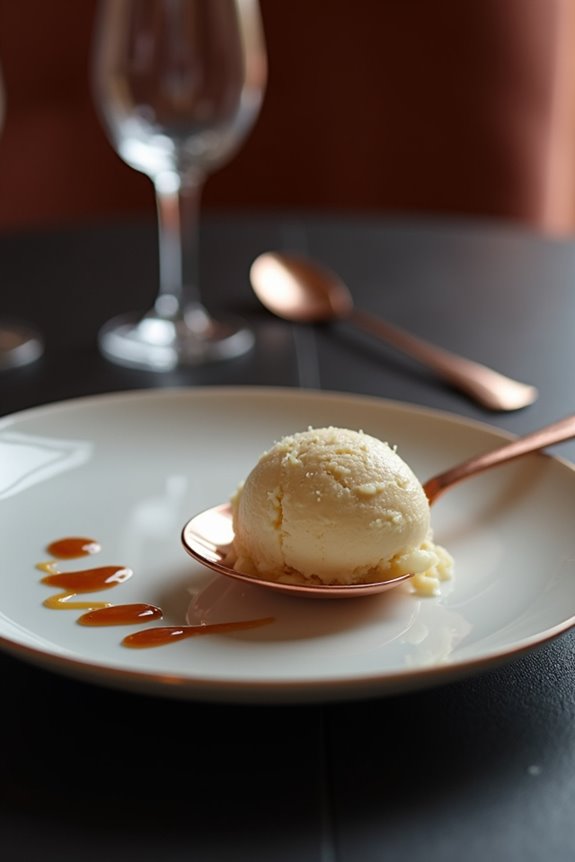
Why does ice cream get the spotlight at fancy dinners and important events? I think it’s because ice cream desserts feel special, refined, and intentional. When restaurants serve ice cream as a formal dessert, they’re not just scooping it into a bowl. They’re creating plated portions with elegant accompaniments—fresh berries, delicate sauces, crispy cookies. This presentation matters. Ice cream also works well as a palate-cleanser after savory courses, refreshing your taste buds before that final sweet finale. The standardized quality and luxury variants available make ice cream feel trustworthy and upscale. Presidential banquets have featured it for decades. When you serve ice cream formally, you’re joining that tradition of refinement. You’re saying, “This meal matters, and so does this ending.”
Ice Cream as an Ingredient in Classic Desserts
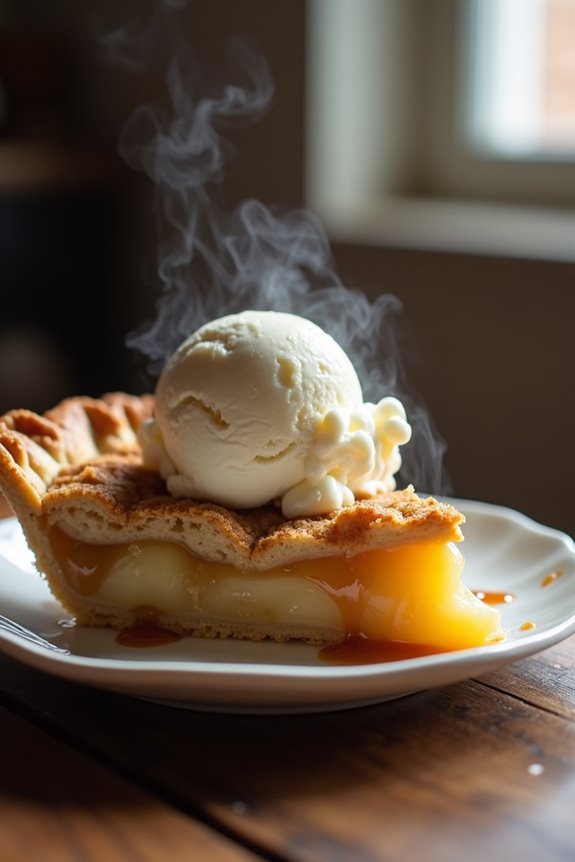
Beyond its starring role on the formal dinner plate, ice cream becomes something different—a building block for countless other desserts. I’ve watched vanilla and other classic flavors transform into something entirely new when we blend them into layered creations.
Think about the desserts you probably love:
- Sundaes topped with syrups, whipped cream, and sprinkles
- Ice cream cakes with crusts, fudge sauce, and cookie layers
- Floats and milkshakes mixing ice cream with beverages
These aren’t just simple scoops anymore. They’re collaborative desserts where ice cream plays a supporting role. Whether we’re talking soft serve swirled into a cone or gelato nestled between cake layers, ice cream adapts well. It absorbs flavors, provides texture, and makes these desserts worth savoring. You’re not just eating ice cream—you’re experiencing it as part of something bigger.
Why We Crave Ice Cream: The Comfort Factor
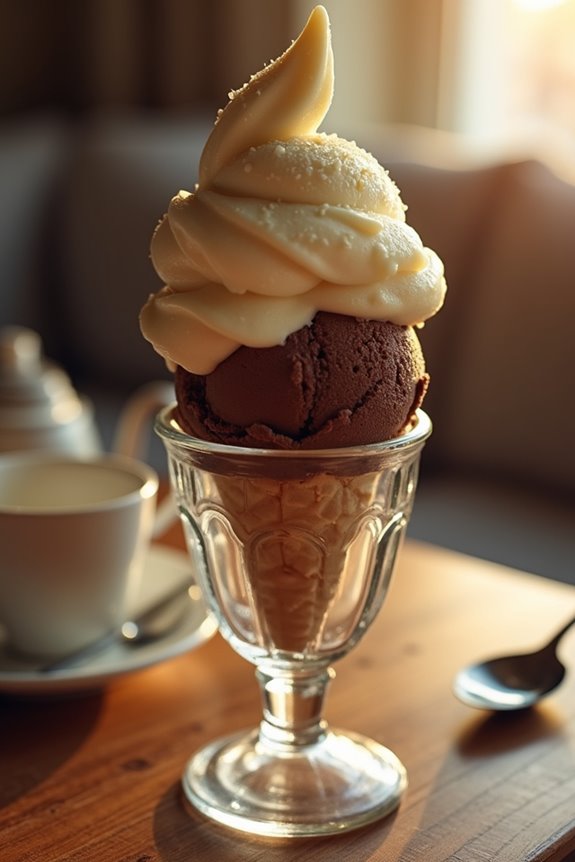
There’s something about how ice cream makes us feel better. It works because ice cream touches multiple comfort points at once. The creamy mouthfeel from milk fat and proteins feels soothing on your tongue. The cold sensation provides a brief escape when you’re stressed or hot. Sugar and flavorings trigger that familiar, soothing taste we’ve loved since childhood. But here’s the thing—nostalgia plays a huge role too. When I eat ice cream, I’m not just enjoying a frozen dessert; I’m remembering summer afternoons, family gatherings, and cone-licking adventures. That emotional connection makes ice cream more than just a treat. It becomes a way we comfort ourselves, something that belongs in our lives when we need a little kindness.
Gelato, Soft Serve, and Beyond: Ice Cream Around the World
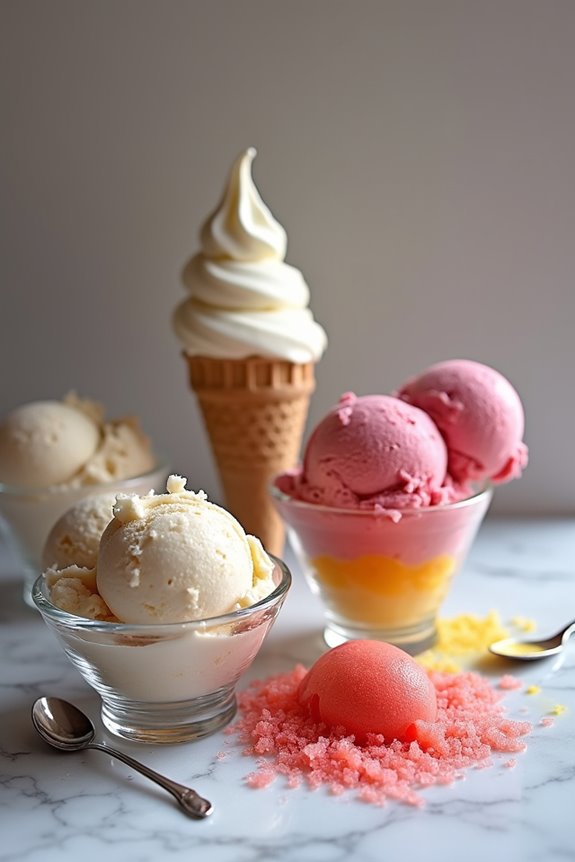
When you travel the world, you’ll quickly discover that ice cream isn’t just one thing—it’s a whole family of frozen treats, each with its own personality. I’ve found that exploring these frozen desserts opens up a whole new appreciation for what we eat.
Here’s what makes each dairy dessert unique:
- Gelato uses higher whole-milk content with less fat and air, creating that dense, chewy texture
- Soft serve gets churned with more air and served warmer, resulting in creamier lightness
- Beyond basics, sorbet skips dairy entirely, while granita uses fruit puree scraped into large ice crystals
Sicilian gelato takes things further—cornstarch thickens the cooked milk base, giving it a distinctive mouthfeel. Even no-churn ice cream joins the party, using condensed milk and whipping cream for creamy results without traditional churning. Each variation invites you to experience frozen desserts differently.
Dairy-Free and Vegan Ice Cream Options
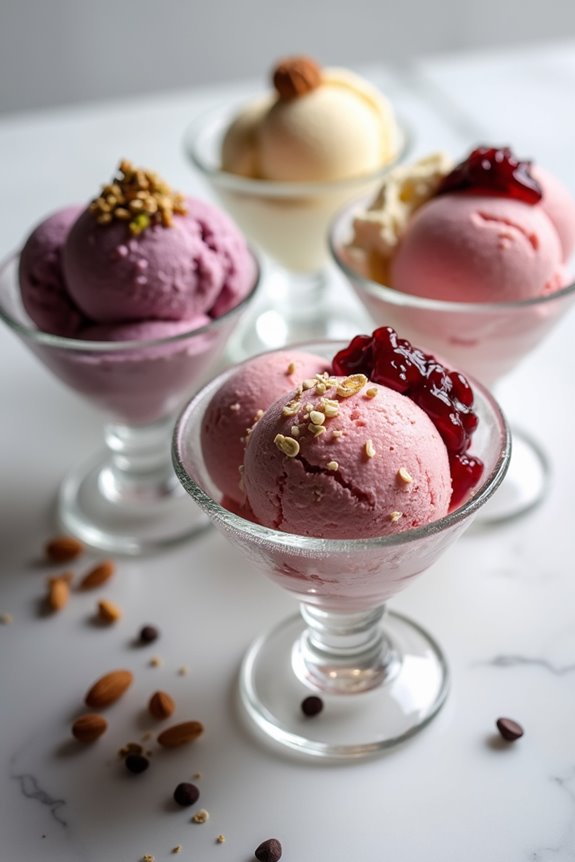
I’ve found that when you skip dairy, you don’t have to skip dessert—plant-based milks like oat, coconut, and cashew cream can replace traditional milk and create that smooth, creamy texture you’re craving. What’s notable is how creative makers have gotten with non-dairy flavors, moving beyond basic vanilla to experiment with everything from banana nice cream to fruit-forward blends that taste just as satisfying as the dairy versions. Whether you’re choosing these options for dietary reasons, ethics, or just curiosity, you’ve got plenty of delicious frozen treats to explore that still count as real dessert.
Plant-Based Milk Alternatives
How’d we end up with so many milk options at the ice cream shop? Well, when you’ve got friends dealing with lactose intolerance or wanting vegan ice cream, the dairy aisle needed an upgrade. Plant-based milk alternatives have expanded what we can enjoy.
Here’s what’s available:
- Oat and soy milks create creamy textures that match traditional cow’s milk
- Coconut and cashew varieties add rich, distinctive flavors
- Almond milk offers a lighter option for those watching calories
These dairy-free options aren’t just substitutes anymore—they’re legitimate choices standing on their own. The fat content and emulsifiers in plant-based milk help achieve that perfect scoopable consistency. Whether you’re lactose intolerant, vegan, or simply curious, you’ve got real options now. That’s something to appreciate.
Non-Dairy Flavor Innovations
Beyond plant-based milks, the real innovation happens in how creators are reimagining ice cream flavors themselves. Non-dairy ice cream alternatives aren’t just copying traditional desserts—they’re pushing boundaries. Vegan creators are experimenting with unexpected flavor combinations: lavender-coconut, miso-cashew, and charcoal-matcha blends that you won’t find in conventional dairy ice cream. Plant-based options perform differently based on their base. Oat milk creates silky texture naturally, while coconut milk brings richness without extra stabilizers. Some innovators skip dairy entirely by making banana nice cream—frozen bananas blended smooth into creamy perfection. These ice cream alternatives prove that removing dairy doesn’t mean limiting creativity. You’re part of a growing community embracing flavors that taste adventurous and feel indulgent.
How Ice Cream Became a Formal Dessert (Historical Evolution)
When did ice cream stop being a luxury novelty and start becoming the formal dessert we know today? The dessert evolution really took off during the 18th–19th centuries when ice cream makers like Domenico Negri in London transformed it from an exclusive treat into something we could actually enjoy regularly.
Here’s what changed everything:
- Confectioners commercialized “ices” and “ice creams” through their shops
- Agnes Marshall improved production with innovative techniques, even suggesting liquid nitrogen
- American figures like Washington and Jefferson popularized ice cream consumption
When Ice Cream Functions as a Snack Rather Than Dessert
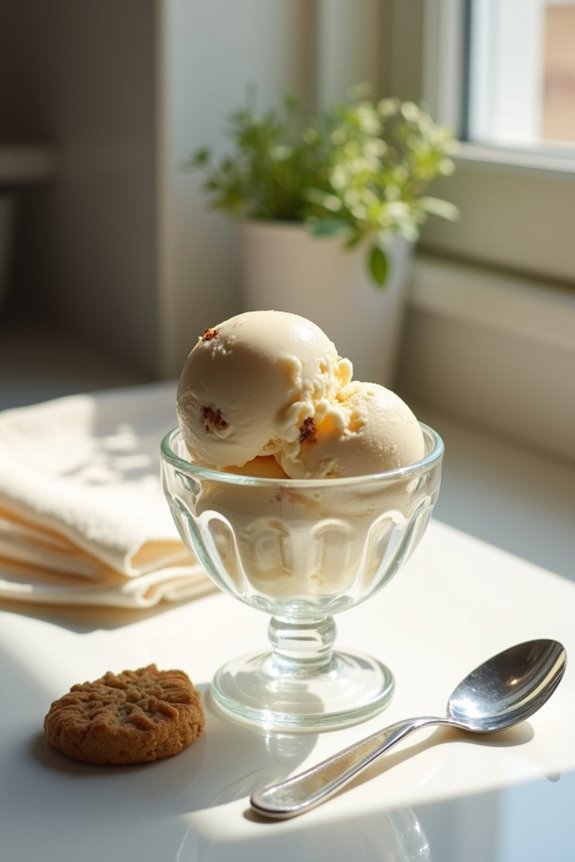
Ever notice how ice cream doesn’t always show up at the end of a meal? I’ve grabbed a soft-serve ice cream cone mid-afternoon without thinking twice about dessert. That’s because ice cream shifts roles depending on when, where, and how we eat it.
When I pick up a single-serving cone from a street vendor, I’m snacking, not finishing dinner formally. Soft-serve ice cream’s softer texture makes quick consumption easier than scooped dessert portions. Retail shops market these convenient formats specifically for casual eating between meals.
The dessert vs snack distinction blurs in everyday settings. Ice cream becomes a snack when we enjoy it casually, standalone, without ceremony. We’re joining millions who’ve redefined ice cream’s purpose. It’s not always the grand finale—sometimes it’s just us, needing something cold and creamy right now.
Understanding Legal Definitions: What Counts as “Real” Ice Cream
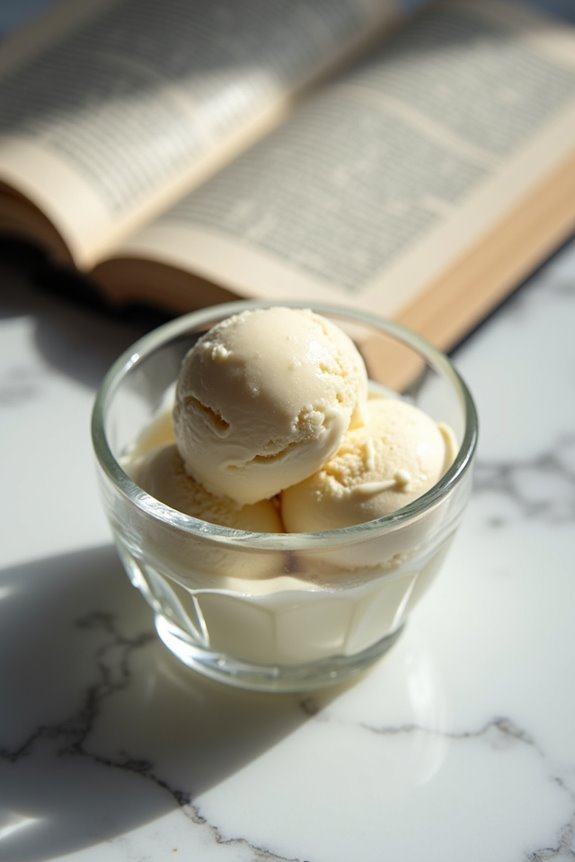
What makes ice cream actually ice cream instead of just some frozen dessert sitting in your freezer? Well, different countries have their own rules. Here’s what separates the real deal from imposters:
- Fat content matters: The FDA requires more than 10% milk fat, while the EU accepts just 5%, and Canada demands at least 10%
- Solids count: You need enough milk solids and sweeteners to meet legal standards
- Overrun is key: Premium ice cream has less air whipped in, making it denser and creamier
If a product doesn’t hit these benchmarks, it’s labeled “frozen dairy dessert” instead. Understanding these standards helps you spot quality ice cream and know what you’re actually eating.