Cornbread isn’t automatically a dessert—it depends on what you add. Traditional cornbread is savory with little sugar, but you can transform it into cake-like territory by using 10 tablespoons of sugar and molasses, which creates a moist crumb while keeping cornmeal front and center. Top it with cream cheese frosting or a honey drizzle, and you’ve got dessert. The key is balancing sweetness so it complements, not overpowers, that corn flavor. There’s plenty more to explore about getting the texture just right.
Is Cornbread Really a Dessert?
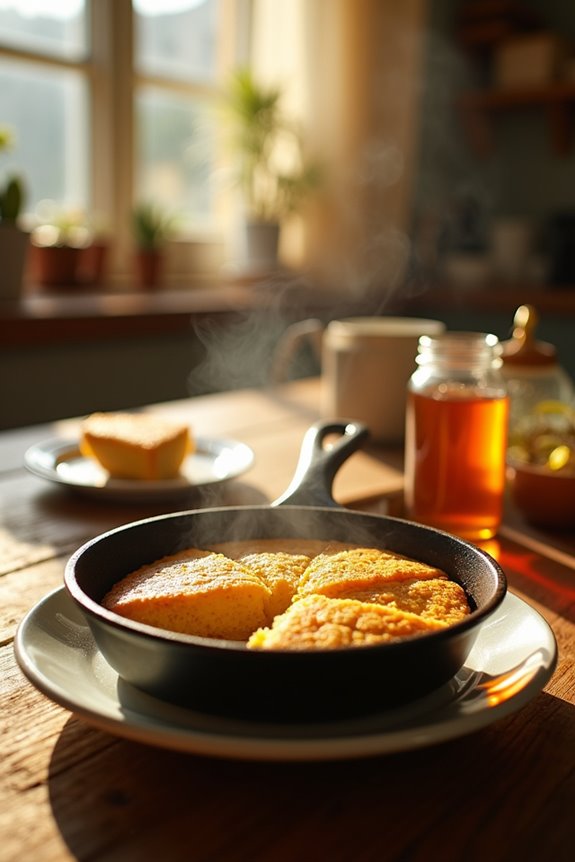
So this is the situation—cornbread doesn’t have to pick a side. I’ve found that cornbread exists on a spectrum, and whether it becomes a dessert really depends on how you make it. When I add 10 tablespoons of sugar and molasses to my cornbread batter, something shifts. The crumb becomes moist and cake-like rather than crumbly. The flavor turns subtly sweet instead of savory. That’s when cornbread moves into dessert territory. I’m not talking about traditional cornbread served alongside chili—I’m talking about the kind you’d pair with cream cheese frosting or drizzle with honey. The cornmeal flavor stays front and center, but the sweetness tips the scale. You control whether your cornbread is a side dish or a legitimate dessert through your ingredient choices.
How Sugar and Sweetness Transform Traditional Cornbread
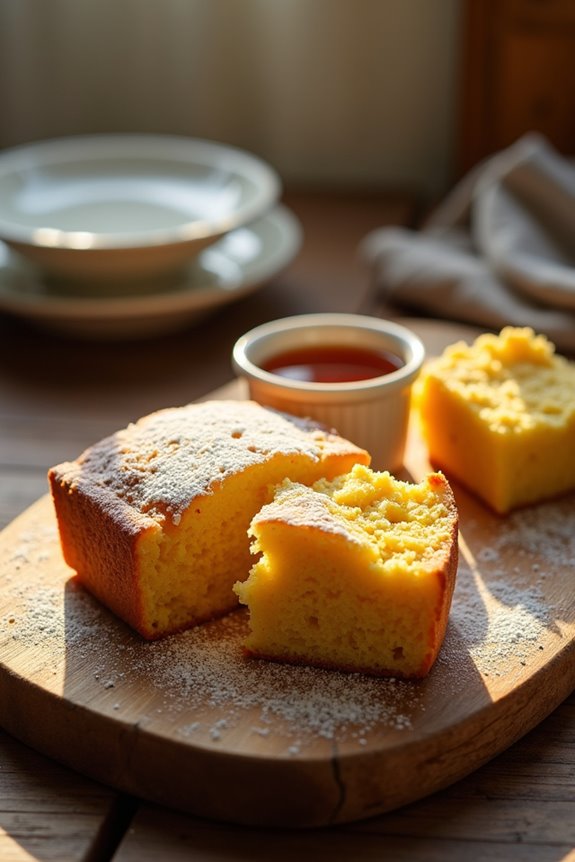
The transformation occurs when you adjust the sugar content—I’m talking about that 10 tablespoons total, combined with molasses—which shifts cornbread from a savory side dish into something that tastes dessert-like while your cornmeal flavor still shines through. You need to find that sweet spot where the sweetness doesn’t overpower the corn, and that’s where understanding your ratios matters; too much sugar makes it just another cake, too little and you lose that dessert appeal. Then there’s the fun part: deciding whether you want to top it with frosting, a honey drizzle, or maybe just let that molasses glaze do the work on its own.
Sugar Content and Ratios
How much sugar actually separates a savory side dish from a genuine dessert? Sugar content and ratios determine the difference. A Sweet Cornbread Cake uses ½ cup plus 2 tablespoons—that’s 10 tablespoons total—creating a distinctly cake-like crumb. Here’s what shifts the experience:
- Traditional savory cornbread contains little to no added sugar
- Sweet versions jump to 10 tablespoons for dessert-level sweetness
- Molasses adds moisture while boosting perceived sweetness subtly
- Finishing drizzles of honey or molasses adjust final sweetness
I’m aiming to preserve that cornmeal flavor you love while hitting genuine dessert territory. The trick isn’t drowning cornbread in sugar—it’s balancing ingredients thoughtfully. That ratio shift? It’s what makes you reach for seconds.
Sweetness Versus Cornmeal Flavor
When you add 10 tablespoons of sugar to cornbread instead of none, you’re not just making it sweeter—you’re fundamentally changing how your taste buds experience the cornmeal itself. Here’s the thing: sweetness doesn’t erase the corn flavor. Instead, it plays alongside it, like two instruments in a band. Molasses does something clever—it adds richness and a sticky texture that feels dessert-like while the cornmeal stays front and center. I’ve found that this balance matters enormously. Too much sugar, and the corn gets buried. The right amount? Your palate recognizes both the grain’s natural earthiness and that noticeable sweetness. A finishing drizzle of molasses or honey reinforces this interplay, keeping cornmeal as your star while adding subtle dessert notes.
Frosting and Topping Choices
Once you’ve nailed that balance between cornmeal and sweetness in your batter, your toppings become the final say in whether your cornbread reads as a dessert or not.
I’ve discovered that frosting and glazes significantly impact the outcome. Here’s what I use:
- Cream cheese frosting with minimal powdered sugar and no butter for a light, less-sweet finish
- Honey drizzle that adds moisture without overpowering the corn flavor
- Molasses-enriched batter creating sticky, dessert-like richness
- Flaky sea salt sprinkled on top to contrast sweetness
These choices work together. A simple honey glaze shifts traditional cornbread toward dessert territory without heavy frosting weighing it down. The salt? It enhances flavor balance when things get sweeter. You’re not just topping cornbread—you’re deciding its entire identity.
The Texture That Makes Cornbread Work as Cake
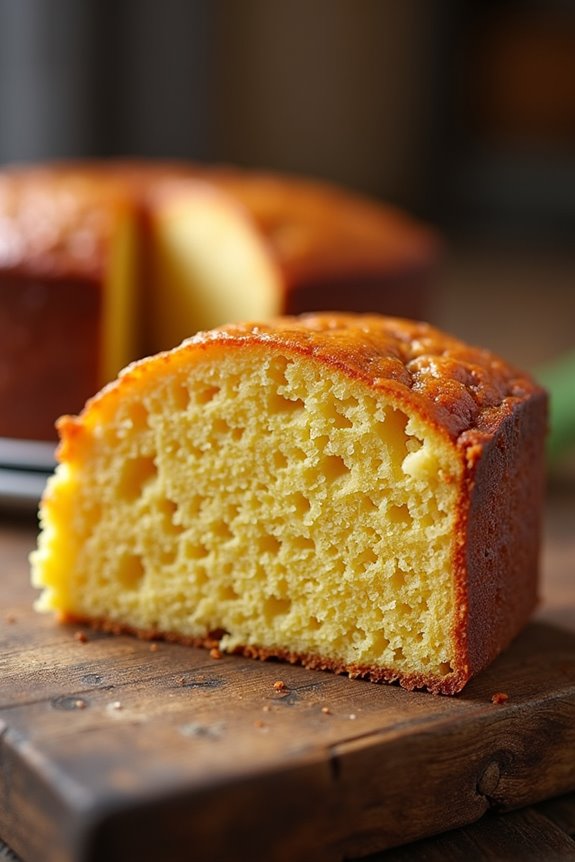
The texture that makes cornbread work as cake lies in getting the mix just right—and that’s where things get interesting. I’ve found that combining cornmeal with flour and a leavening mix creates that tender, moist crumb we’re after. Here’s what I do: whisk eggs, oil, milk, and a sweetener like molasses separately, then fold everything together just until the lumps disappear. Don’t overmix—that’s the enemy of tenderness. When you bake it, you’re aiming for that sweet spot where the edges pull away from the pan but a toothpick shows a few moist crumbs inside. That’s your signal you’ve nailed it. That texture is what makes cornbread work as dessert rather than a savory side.
Sweet Cornbread Cake With Molasses and Honey
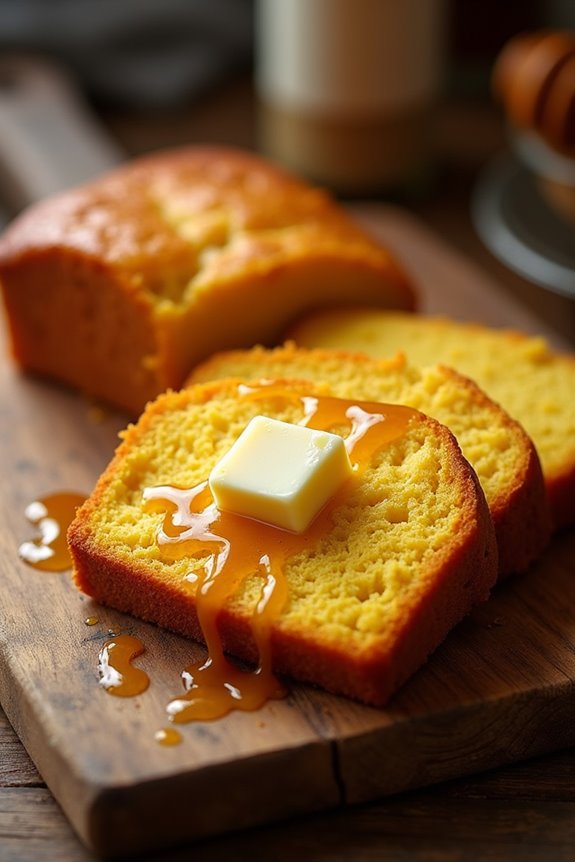
I’ve found that molasses elevates cornbread from a savory side into dessert territory—the deep, slightly bitter sweetness works with the cornmeal to create complexity you don’t get from plain sugar alone. To achieve the right moisture and texture, I fold the wet ingredients (eggs, molasses, oil, butter, and milk) into my dry mix carefully, which keeps that cake-like crumb tender without making it gummy, and then I let the remaining molasses drizzle finish the job by adding richness right when it’s warm. The result is a moist, sticky-edged cake that tastes like cornbread but eats like dessert—exactly what you want when you’re trying to answer whether cornbread belongs on the dessert table.
Molasses Flavor Profile
How does molasses change cornbread from a simple side dish into dessert territory? Molasses is the key component. I’m talking about that deep, rich sweetness that doesn’t just sit on top—it actually changes everything.
Here’s what’s happening:
- Deep caramel notes that make you think of old-fashioned desserts
- A subtle earthiness that respects the cornmeal’s natural flavor
- Moisture that keeps the crumb tender and slightly sticky
- A complexity that sugar alone simply can’t achieve
When I use 3 tablespoons of Crosby’s Fancy Molasses split between the batter and finish, I’m balancing sweetness with sophistication. The molasses doesn’t overpower the corn—it anchors it. Combined with honey and ½ cup plus 2 tablespoons of sugar, this molasses composition creates that ideal middle ground where cornbread becomes dessert.
Honey Finishing Touches
Where does the real appeal happen with this cornbread cake? I’ll tell you—it’s in that final honey drizzle. After the molasses does its job creating richness and stickiness, honey swoops in as the perfect finishing touch. Here’s why I’m convinced they’re the dream team:
| Element | Purpose | Result |
|---|---|---|
| Molasses | Adds depth and moisture | Sticky, dense crumb |
| Honey | Enhances sweetness gently | Glossy, appealing finish |
| Warmth | Activates flavors | Moist, cake-like texture |
| Contrast | Balances both sweeteners | Complex taste |
| Serving | Timing matters most | Peak deliciousness |
I drizzle the honey while the cake’s still warm—this lets it seep in slightly and create that irresistible glaze. You’re not overpowering the cornmeal’s natural flavor; you’re complementing it. That’s the balance that keeps cornbread special while elevating it into dessert territory without losing what makes cornbread distinctive.
Moisture and Texture Balance
Now that we’ve covered the finishing honey drizzle, let’s talk about what happens inside the cake—because to put it plainly: you can have the most beautiful glaze on top, but if your crumb’s dry and crumbly, you’ve lost the game.
The moisture develops through layered strategy:
- Wet ingredients whisked with 2 Tbsp molasses create richness before mixing
- ½ cup + 2 Tbsp sugar plus molasses work together for sweetness and moisture retention
- Oil and butter add fat that keeps the crumb tender, not stale
- Baking at 350°F for 45 minutes develops that soft, cake-like interior
You’re aiming for that perfect pull-back at the edges with a few moist crumbs clinging to your tester—not wet, not dry. Cooling in the pan first, then the rack, locks everything in. That’s when you know you’ve nailed the balance between dessert-worthy texture and cornmeal character.
Cornbread Snacking Cake With Cream Cheese Frosting
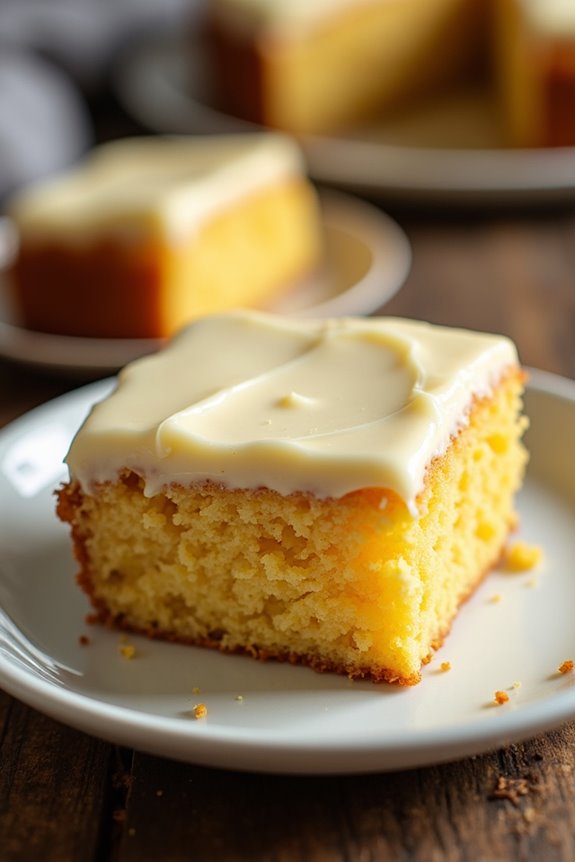
A cornbread snacking cake with cream cheese frosting bridges that blurry line between savory side dish and dessert—and I’m firmly on team dessert for this one. I blend cornmeal with flour, then add baking powder and optional baking soda for that light, tender crumb we’re after. Here’s where it gets good: instead of traditional butter-heavy frosting, I use cream cheese with minimal powdered sugar. This keeps the corn flavor front and center without any overpowering sweetness. I incorporate honey or molasses for moisture and depth, creating something distinct. The result? A warm cake that’s moist, subtly sweet, and tastes even better at room temperature. A light salt sprinkle finishes it perfectly.
Apple Upside-Down Cornbread: Bridging Savory and Sweet
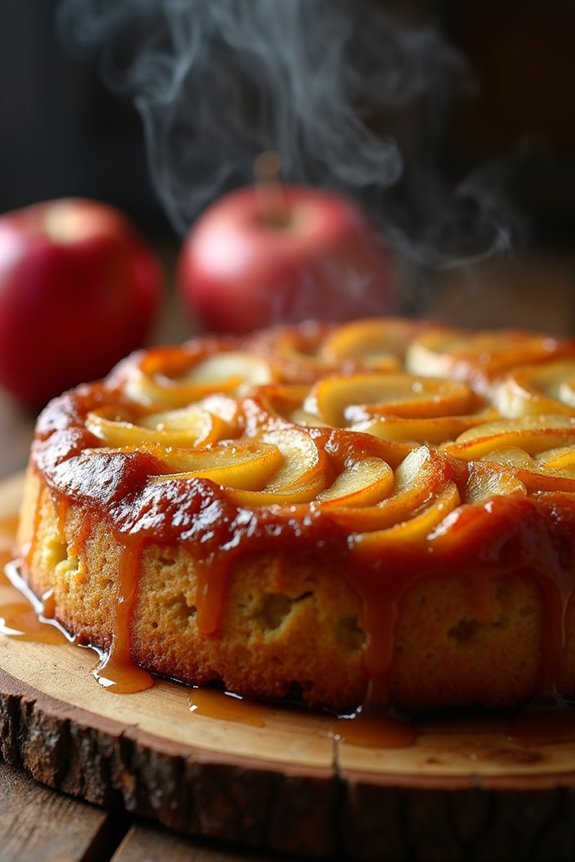
I’ve found that apple upside-down cornbread borrows the French tarte tatin’s approach of caramelizing fruit in butter and sugar, then applies it differently by baking cornmeal batter on top instead of pastry. When you sauté those Granny Smith apples with ginger, they develop a glossy syrupy coating that creates a dessert-like crust once the cornbread bakes and you invert it onto a plate. The flexibility of this dish means you’re not bound to one serving style—top it with cinnamon and butter for dessert, or skip the glaze and enjoy it as a polished side dish with genuine flavor complexity.
French Tarte Tatin Inspiration
What if you could take the elegant, caramelized-apple qualities of a French tarte tatin and fold it into cornbread? I’ve found a way to do exactly that, and it’s delicious.
Here’s how it works:
- Sauté apple slices in butter until golden, adding cinnamon if you like
- Pour the buttery, syrupy mixture into your baking pan
- Top with cornmeal batter—not too thick, just enough coverage
- Bake at 375°F until golden, then flip it over
The result? A dessert-leaning cornbread that honors tarte tatin’s caramelized fruit tradition. Those apples become a glossy, sweet topping once you invert the pan. You’re bridging two culinary worlds—French elegance meets American comfort. It’s cornbread that doesn’t apologize for being sweet and sophisticated.
Apple Preparation and Caramelization
Once you’ve got your mental picture of that inverted cornbread masterpiece, it’s time to actually build it—and it all starts with the apples. I sauté them in butter with ginger for about five minutes until they’re crisp-tender. This isn’t just cooking; it’s the beginning of caramelization that’ll enhance your dessert. Next comes the technique: I coat those apples with a syrupy sauce mixed with optional cinnamon and salt, creating that glossy, dessert-like topping. The spices elevate ordinary fruit into something noteworthy. This apple layer becomes your foundation—the caramelized base that mirrors a classic tarte tatin. When you eventually invert or serve the cornbread, these golden, shimmering apples take center stage, demonstrating that cornbread’s sweet side deserves serious respect.
Versatile Serving and Enjoyment
The beauty of apple upside-down cornbread? It’s flexible. You’ll find it works equally well at your dinner table or dessert spread, making it the perfect dish when you’re unsure which direction to go. Here’s how I serve it:
- Warm from the oven with vanilla ice cream melting on top
- Alongside roasted chicken and green beans for dinner
- Packed in lunchboxes the next day as a sweet snack
- Crumbled over yogurt for breakfast
The caramelized apples give it that dessert-like appeal, while the cornbread’s hearty texture keeps things grounded. At roughly 129 calories per serving, you’re getting a balanced treat that satisfies without overwhelming. I love that this cornbread doesn’t demand you choose—it belongs wherever you want it.
Why Cornbread Outperforms Cake in Moisture and Texture
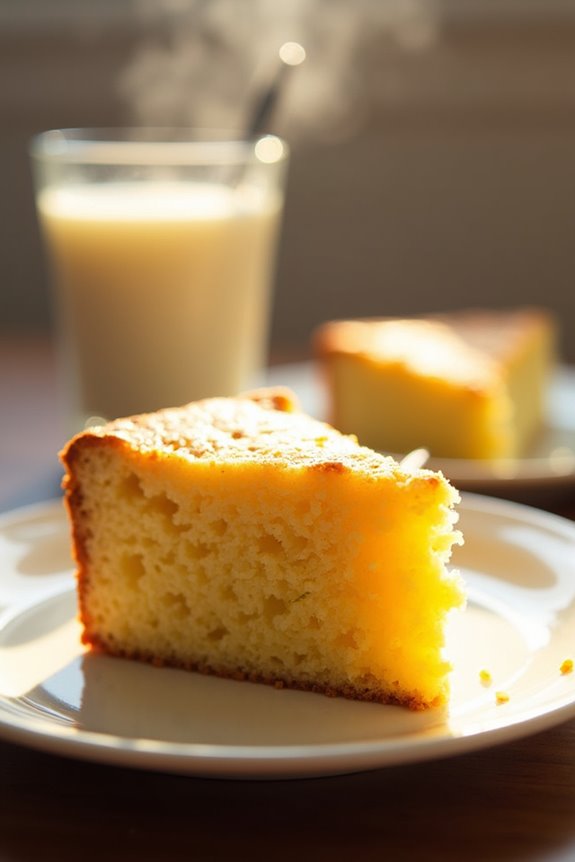
How does cornbread stay so moist and tender when regular cake can turn dry and crumbly? The answer lies in cornbread’s ingredient lineup. We’re talking eggs, milk, and molasses—these work together as a moisture-locking team. The oil or butter in the batter keeps things tender, while that balanced sugar amount prevents dryness without making it overly sweet.
Here’s what stands out: a 45-minute bake at 350°F creates a deep golden crust that actually seals in moisture. That’s different from regular cake, which often dries out faster. You can even boost this by using buttermilk instead of regular milk. The result? Cornbread stays soft and cake-like, maintaining its texture longer. A light molasses drizzle at the end amplifies that moisture sensation. That’s why cornbread outperforms cake in this regard.
Frostings and Toppings for Sweet Cornbread
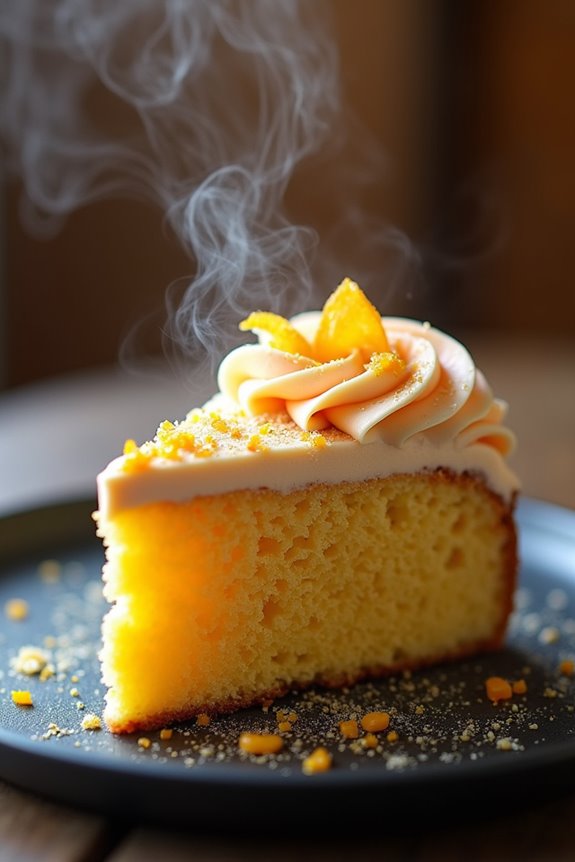
Now comes the fun part—deciding what goes on top of your cornbread to push it fully into dessert territory. I’ve found that the right toppings elevate cornbread from a side dish into something worth seeking out.
Here’s what I reach for:
- Cream cheese frosting with minimal powdered sugar and no butter for a tangy, light finish
- Honey drizzle that adds sweetness without overpowering the corn flavor
- Flaky sea salt sprinkled generously to balance everything
- A glossy glaze-like sheen that catches the light
These toppings work together, not against your cornbread’s natural moisture and corn flavor. The cream cheese keeps things from getting too sweet, while honey enhances moisture. That flaky salt? It’s a key element, making every bite feel intentional and balanced. You’re creating dessert, not just breakfast.
How to Keep Your Cornbread Cake Moist and Fresh
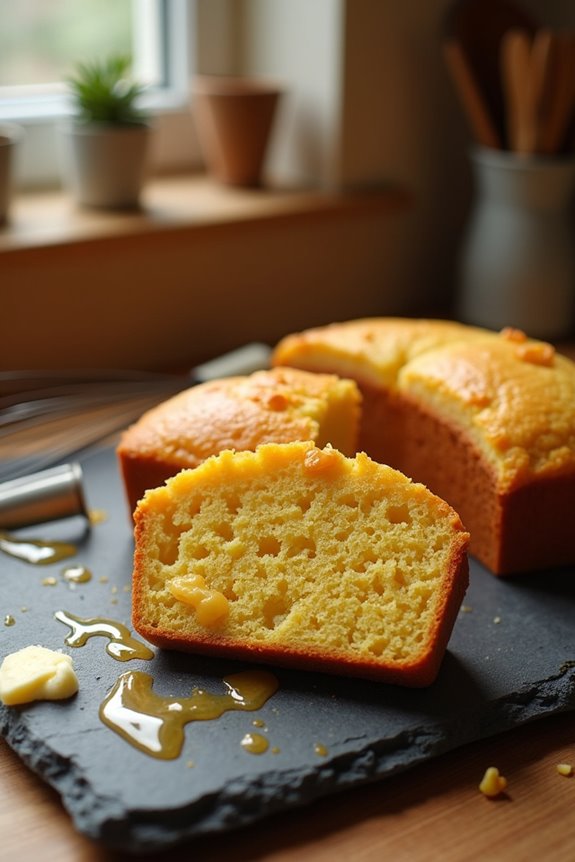
Keeping your cornbread cake moist requires a few smart choices you’ll make before, during, and after baking. I use the wet-to-dry method—mixing dry ingredients first, then whisking wet ingredients separately—to prevent overmixing, which keeps that tender crumb intact. Crosby’s Fancy Molasses becomes your key ingredient: those 3 tablespoons work as a humectant, locking in moisture while adding sweetness. Bake at 350°F in an 8-inch parchment-lined pan for about 45 minutes. Once done, leave it cooling in the pan for 10 minutes before transferring to a rack—this traps precious moisture inside. A final molasses drizzle or serving it warm provides the finishing touch for maximum freshness.
Overbaking, Overmixing, and Ratio Mistakes That Dry Out Sweet Cornbread
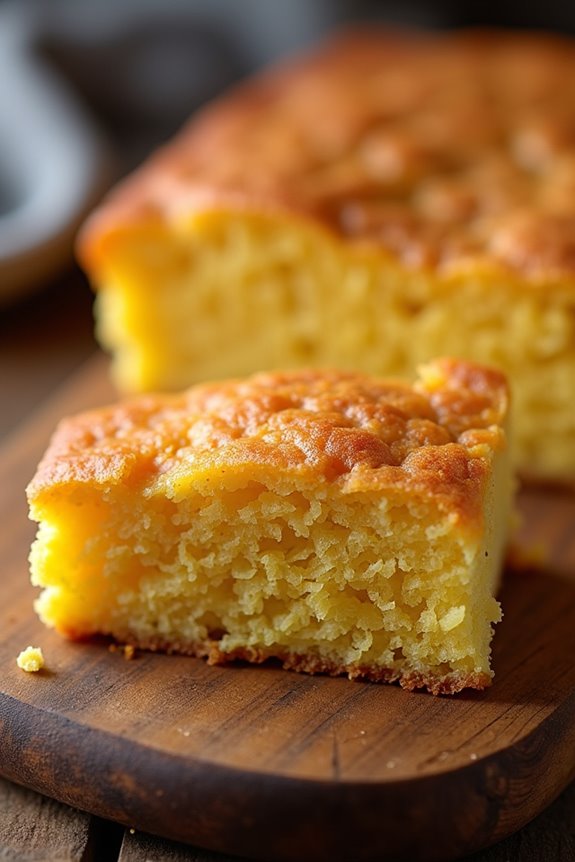
What’s the difference between cornbread that stays moist and tender versus cornbread that turns into a crumbly brick? It comes down to three critical mistakes we all make.
Here’s where cornbread moisture gets lost:
- Overbaking – Even five extra minutes removes water from the crumb
- Overmixing – Develops gluten, creating a dense, tough texture instead of cake-like tenderness
- Wrong ratios – Too much sugar or baking powder causes the crumb to collapse; insufficient milk, oil, or butter leaves nothing to keep things moist
- Letting batter sit – Moisture evaporates before baking even starts
I’ve learned that timing matters. You’re mixing ingredients just until combined, checking your oven temperature with a thermometer, and measuring your fats and liquids precisely. That’s how we keep our cornbread from becoming disappointingly dry.
When to Serve Cornbread: Breakfast, Dessert, or Snack
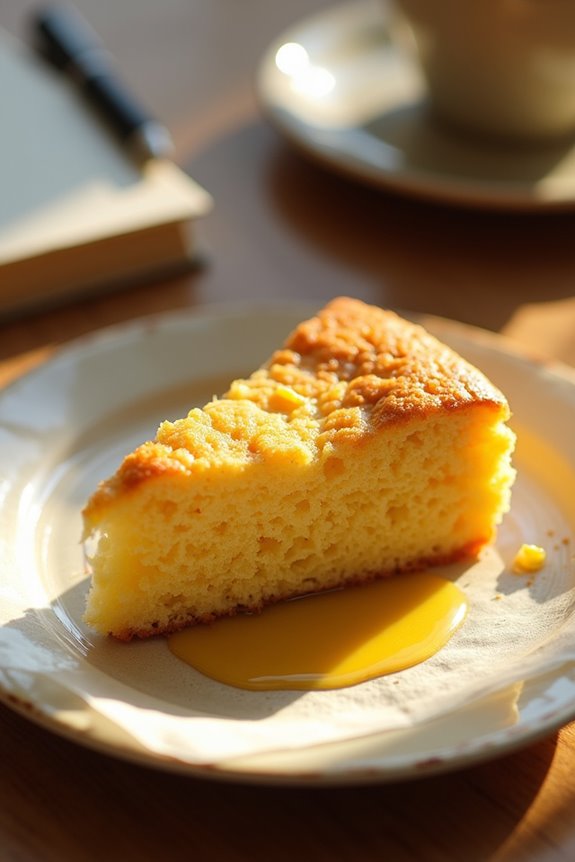
Once you’ve mastered the technique to keep your cornbread moist and tender, you’ll realize it opens up way more possibilities than just serving it alongside chili or soup. I love serving cornbread at breakfast with butter and jam, when it’s still warm from the oven. For dessert, you can dress it up with cream cheese frosting, honey drizzle, or molasses—think of it like cake, because honestly, it basically is. The apple upside-down version with syrupy toppings proves cornbread adapts beautifully to sweeter presentations. As a snack, cooled cornbread satisfies those mid-afternoon cravings. The beauty is flexibility. Your moist, cake-like crumb works warm or cooled, simple or fancy. Whatever time of day you choose, cornbread delivers.