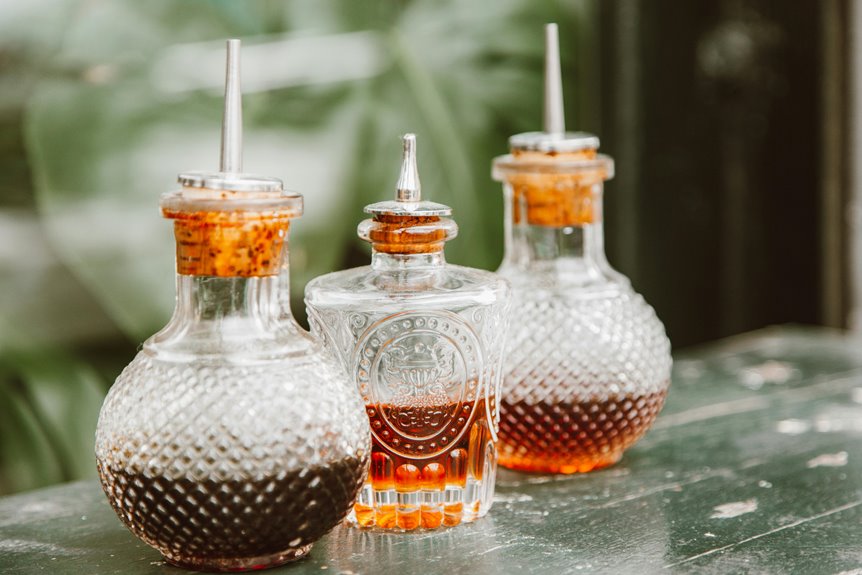
Apple cider vinegar won’t help your poison ivy rash, and it might make things worse. The acetic acid in vinegar can’t remove urushiol—the toxic oil causing your itch—or stop your immune system’s inflammatory response. If you apply it to open blisters, you’re adding chemical irritation on top of an already irritated rash. There’s no clinical evidence vinegar works for poison ivy. Proven treatments like hydrocortisone cream, calamine lotion, and colloidal oatmeal baths actually address what’s driving your discomfort.
Apple Cider Vinegar Won’t Stop Your Poison Ivy Rash: Here’s Why
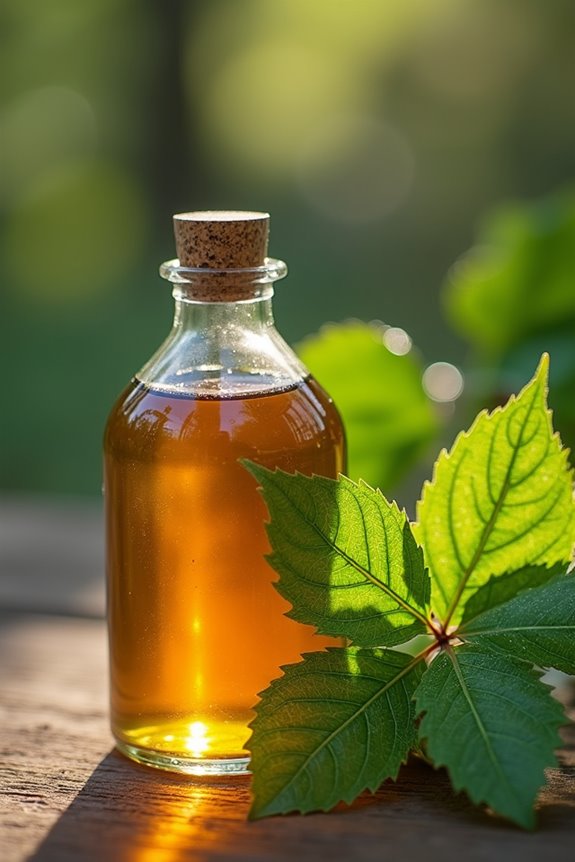
Why do so many people swear by apple cider vinegar for poison ivy when it actually doesn’t work?
Here’s the thing: vinegar can’t remove urushiol, the toxic oil that causes your rash in the first place. I know that’s disappointing. The acetic acid in vinegar only dries your skin superficially, giving you maybe some temporary itch relief. But it doesn’t stop the immune response driving your dermatitis. That’s the real problem.
Even worse, using vinegar on open blisters can irritate your skin chemically and delay healing. If you’ve got broken skin, you’re risking secondary infection too. Sure, some folks dilute it to a 1:3 ratio, but there’s no clinical evidence supporting vinegar as an actual treatment. You’re hoping for relief that won’t come.
What Actually Happens When Urashiol Touches Your Skin?
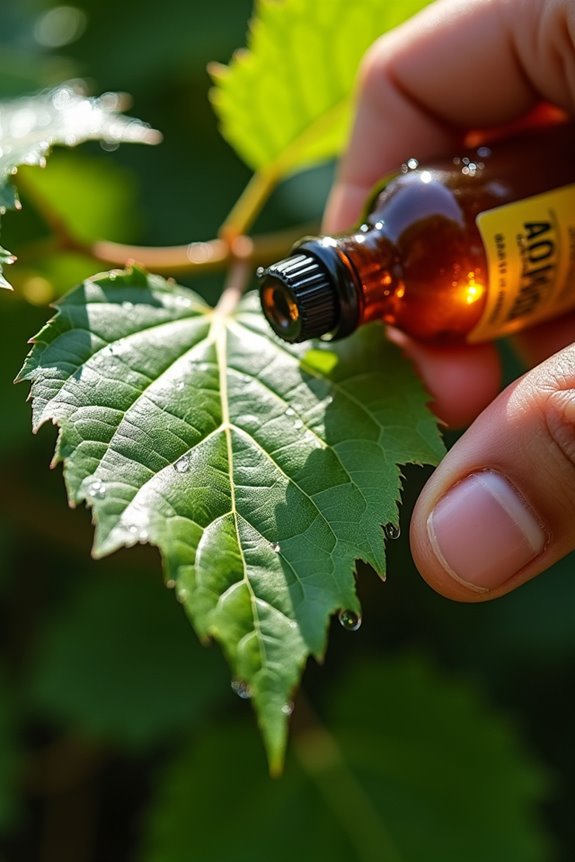
When urushiol touches your skin, it doesn’t just sit on the surface—it penetrates deep into your skin rapidly, which is why simply washing won’t always stop the reaction from starting. Your immune system kicks into gear almost immediately, but here’s the frustrating part: the itching, redness, and blistering you’ll see typically don’t show up for 12 to 72 hours after exposure, so you might not realize you’ve been exposed until it’s way too late. By the time those symptoms appear, the immune cascade is already in full swing, and no topical remedy—including apple cider vinegar—can actually reverse what’s already been set in motion inside your skin.
Urushiol’s Rapid Penetration Process
It doesn’t wait around. Within minutes of touching your skin, this oil from poison ivy plants starts penetrating deeper into your skin cells. It acts fast.
What happens next is your body’s immune system kicks into gear. The urushiol binds to your skin proteins, creating complexes that trigger your T-cells to fight back. This immune response is what causes all the trouble: itching, redness, and those annoying blisters.
Here’s the frustrating part: you won’t see symptoms immediately. Typically, the rash shows up between 12 to 72 hours after exposure. The intensity depends on how much oil you contacted and your individual immune sensitivity. Everyone’s reaction varies, which means your neighbor’s mild itch could be your week-long problem.
Immune Response Timeline Explained
Your body’s reaction to urushiol unfolds like a ticking clock—and it’s interesting when you understand what’s happening underneath your skin. Within minutes of contact, your immune system springs into action, even though you won’t see anything yet. Then comes the waiting period: 12 to 72 hours pass before the rash shows up. When it does, you’ll notice intense itching, redness, and those characteristic streaky patterns spreading across your skin. Fluid-filled blisters follow as your immune response intensifies. Most people see improvement within 1 to 3 weeks, but severe cases can persist longer and might need prescription corticosteroids to speed recovery along.
Why Vinegar’s Acetic Acid Isn’t Strong Enough to Help
So this is the situation about apple cider vinegar and poison ivy: while vinegar does contain acetic acid—that sharp, tangy component with a pH between 2.4 and 3.4—it’s simply not the right tool for the job. Here’s why: acetic acid works as a mild drying agent, nothing more. It doesn’t actually neutralize or counteract urushiol, the toxic oil that triggers your immune system’s overreaction. Think of it this way—you wouldn’t use lemon juice to treat a bacterial infection, right? Vinegar operates on the same principle. It might dry your skin’s surface temporarily and offer minor itch relief, but it completely misses the underlying problem: your body’s inflammatory response to urushiol. The rash keeps going because the real culprit remains unaddressed.
Why Vinegar Damages Open Blisters Instead of Healing Them
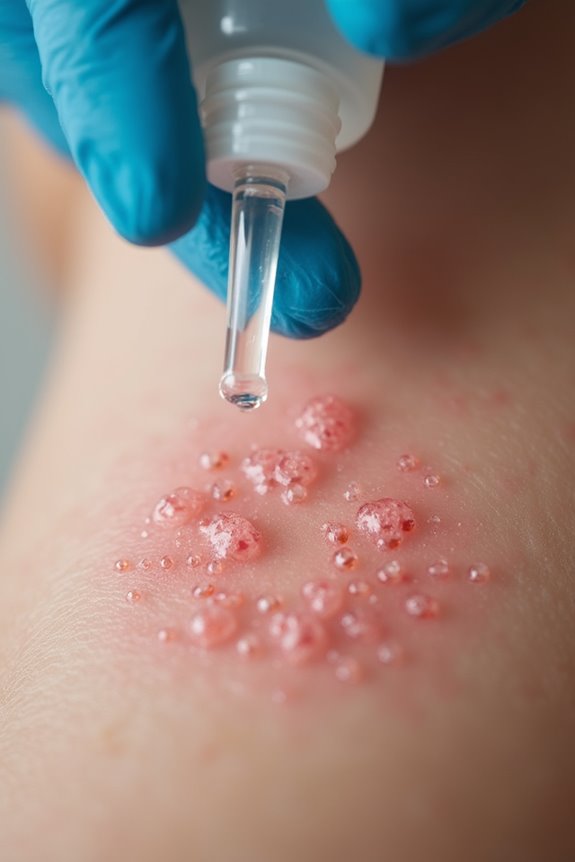
Now that we’ve covered why vinegar can’t tackle urushiol in the first place, there’s another problem we need to address: what happens when you actually apply it to those painful, oozing blisters that’ve already formed.
Here’s the thing: applying diluted vinegar to open blisters causes chemical irritation that can worsen your urushiol-induced dermatitis. Your skin’s already compromised, right? The acetic acid in vinegar irritates exposed tissue, potentially deepening the damage rather than helping it heal. Even diluted vinegar stings when it hits broken skin—that burning sensation you feel signals real harm happening.
Your blisters need gentle care, not acidic solutions. Use these options instead: calamine lotion, hydrocortisone cream, soothing oatmeal baths, or antihistamines. These support healing without causing additional damage.
The Proven Treatments That Actually Reduce Poison Ivy Itch
While apple cider vinegar might sting your open blisters, hydrocortisone cream and calamine lotion are effective options—hydrocortisone tackles the inflammation at its source, and calamine dries up those weeping blisters while soothing the itch. You can also try colloidal oatmeal baths, which provide anti-inflammatory relief that eases discomfort, plus oral antihistamines can reduce the itching so you can sleep at night. These proven treatments deliver measurable results, and for more severe cases, your doctor can prescribe stronger corticosteroids to speed up your recovery and reduce the severity.
Hydrocortisone And Calamine Relief
When you’re dealing with poison ivy itch that’s driving you up the wall, over-the-counter treatments like hydrocortisone cream and calamine lotion are effective and backed by scientific evidence. Hydrocortisone 1% cream tackles inflammation directly by calming your immune response, providing real relief. Calamine lotion works differently—it dries those weeping blisters while soothing your irritated skin, making it suitable for the messy phase. Apply hydrocortisone to inflamed areas, then use calamine lotion on oozing spots. Both treatments work well together. For stubborn cases that won’t quit, oral antihistamines help you sleep through peak itching. If nothing improves within a week, ask your doctor about prescription-strength options.
Oatmeal Baths For Inflammation
If you’ve ever felt poison ivy itch creeping across your skin, you know how badly you want relief—and oatmeal baths deliver it without harsh chemicals or prescription strength treatments. I grind one cup of oats into a fine powder, then disperse it evenly throughout lukewarm bathwater. The colloidal oatmeal creates a soothing surface that reduces inflammation and calms that maddening itch. I soak for 15–20 minutes, letting the anti-inflammatory properties work on exposed skin. Afterward, I pat myself dry gently to avoid further irritation. Oatmeal baths work well alongside calamine or hydrocortisone when you need extra relief. They’re safe, well-supported, and practical. They’re my first choice when poison ivy strikes.
Oral Antihistamines And Comfort
Oatmeal baths soothe the surface, but sometimes you need help from the inside out—and that’s where oral antihistamines come in. These medications work systemically, reducing the itching signals your body sends rather than targeting the rash itself. They’re your strategic tool for getting through peak irritation moments and actually sleeping at night.
Here’s what you should know:
- Popular options include diphenhydramine (Benadryl) for sedating relief or non-sedating choices like cetirizine and loratadine if you need to stay alert
- Timing matters—start antihistamines at the first sign of itching to prevent the itch cycle from spiraling
- Combine treatments with calamine lotion or oatmeal baths for maximum comfort
How to Use Hydrocortisone, Oatmeal, and Calamine (Application Guide)
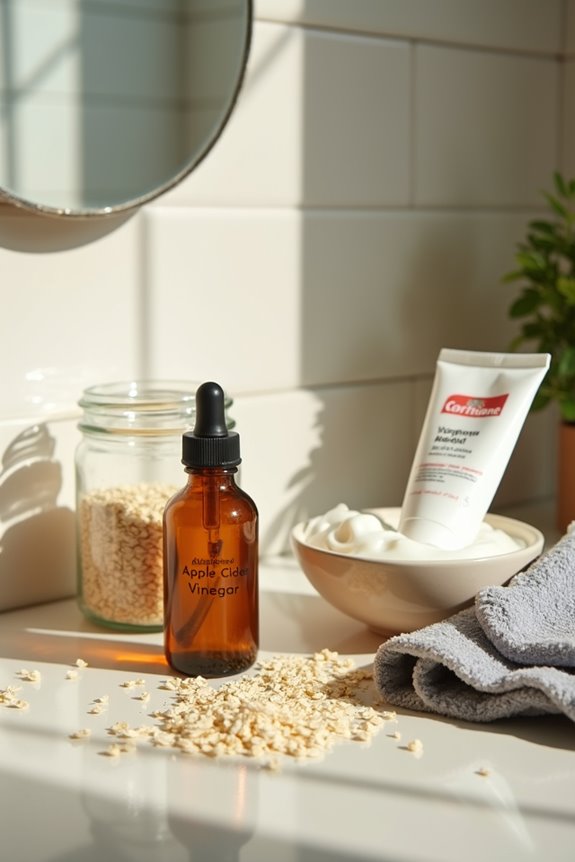
Want to actually stop the itching instead of just daydreaming about it?
I’ve found that using these three treatments together works better than hoping the rash disappears on its own. Start with hydrocortisone cream—apply a thin layer directly to affected areas twice daily, rubbing it in gently until it absorbs. For weeping blisters, I use calamine lotion afterward since it dries things out and feels cooling.
Here’s my approach: colloidal oatmeal baths. I soak for 15-20 minutes in lukewarm water mixed with finely ground oatmeal. The anti-inflammatory properties calm everything down, and it’s a soothing part of my day.
Don’t skip the hydrocortisone—it reduces inflammation underneath. Space applications at least four hours apart, and you’ll notice improvement within days, not weeks.
When Your Poison Ivy Rash Needs a Doctor, Not Vinegar?
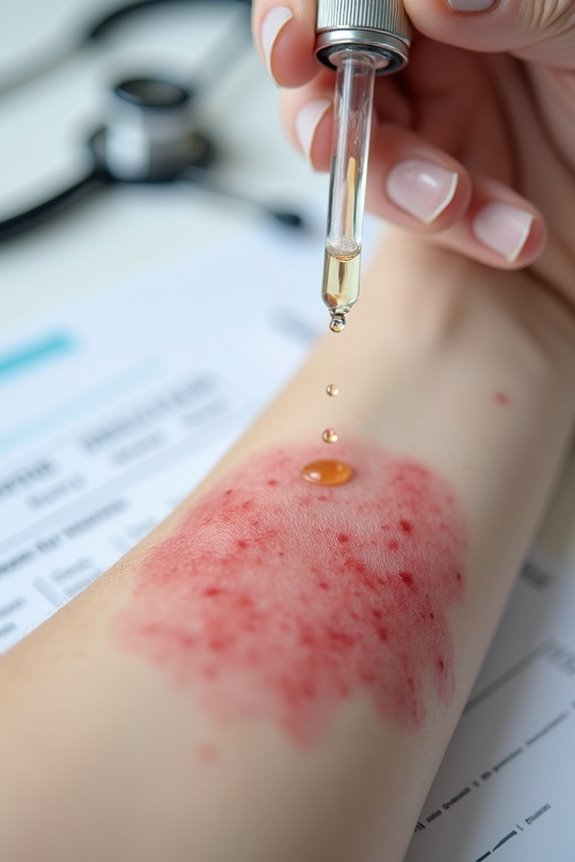
While hydrocortisone cream, calamine lotion, and oatmeal baths handle most poison ivy cases adequately, sometimes you face a problem requiring professional medical intervention rather than home remedies or apple cider vinegar.
You should see a doctor when:
- The rash covers large areas of your body – your skin needs professional evaluation and stronger treatment options
- Your face, genitalia, or eyes are affected – these sensitive areas require medical expertise you cannot replicate at home
- Signs of infection appear, like pus, warmth, or increasing redness – this indicates bacteria have developed, and vinegar will not address it
Also seek care if you experience difficulty breathing or notice swelling. These situations require medical attention, not self-treatment approaches.
Is Diluted Vinegar Safe for Poison Ivy Rash?
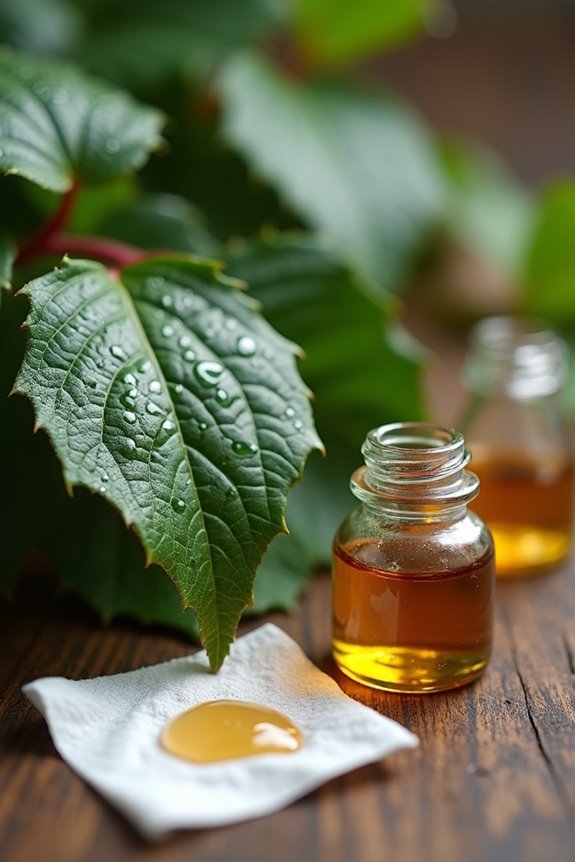
Is Diluted Vinegar Safe for Poison Ivy Rash?
Can you safely splash vinegar on your poison ivy rash? Not really—and here’s why. While diluted vinegar might seem harmless, it’s actually risky. I’d recommend steering clear, especially if you’ve got broken skin or blisters.
| Vinegar Ratio | Safety Level | What Happens |
|---|---|---|
| Undiluted | Dangerous | Chemical burns, severe irritation |
| 1:3 vinegar-to-water | Questionable | Mild drying, potential irritation |
| 1:4 vinegar-to-water | Least risky | Minimal benefit, still irritating |
Here’s the thing: even diluted vinegar can irritate open blisters and delay healing. You’re adding chemical irritation on top of an already angry rash. Your skin’s already working hard fighting the urushiol oil—it doesn’t need extra stress. Skip the vinegar experiment and reach for proven treatments instead.
What Natural Remedies Work Better Than Vinegar
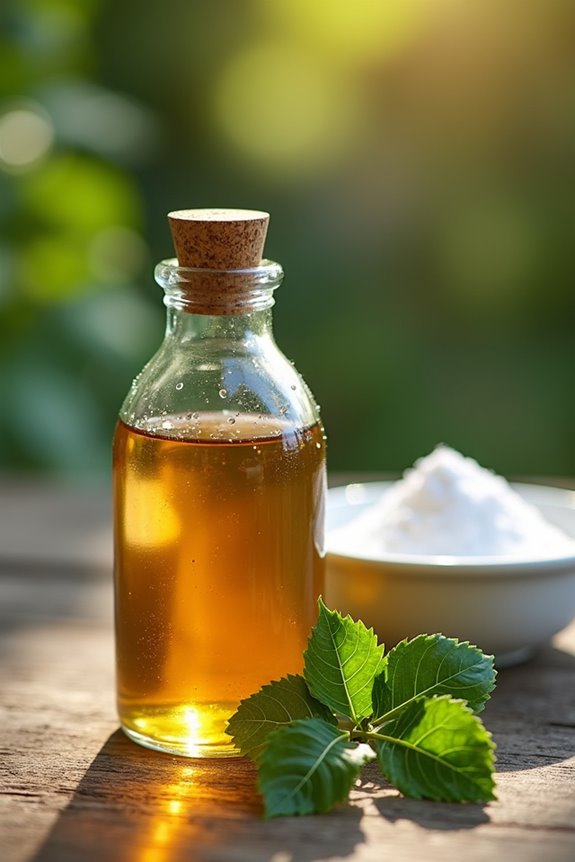
If you’re looking for actual relief from poison ivy itching, I’d skip the vinegar and reach for remedies that doctors actually recommend: hydrocortisone 1% cream, calamine lotion, colloidal oatmeal baths, and oral antihistamines are all backed by real evidence and work better at calming that maddening itch. These options tackle the actual problem—your immune system’s reaction to urushiol oil—rather than just drying your skin’s surface like vinegar does. For stubborn cases that won’t quit, prescription-strength corticosteroids from your doctor can provide significant relief when over-the-counter options fall short.
Clinically Proven Itch Relief
When you’re scratching like mad from poison ivy, you want relief that actually works—and that’s where the science comes in handy. Unlike vinegar, which doesn’t stop the itch or shorten the rash, clinically proven treatments tackle inflammation directly.
- Calamine lotion dries the rash and reduces itching fast, making it a go-to first step for most people
- Hydrocortisone 1% cream fights inflammation at the source, addressing the immune reaction causing your discomfort
- Colloidal oatmeal baths soothe irritated skin while you soak, calming the itch naturally and safely
These options work because they address what’s actually happening—your immune system’s reaction to urushiol oil. You’re not just seeking temporary relief; you’re treating the problem itself. If your rash persists, prescription-strength corticosteroids offer stronger support when over-the-counter options aren’t sufficient.
Safe Home Treatment Options
Now that you know what actually stops the itch and inflammation, let’s talk about what you can safely grab from your kitchen or medicine cabinet right now.
Hydrocortisone 1% cream and calamine lotion tackle poison ivy symptoms directly without irritating broken skin. Colloidal oatmeal baths calm inflammation naturally—just dissolve the powder in warm water and soak for 15 minutes. Baking soda pastes work too: mix three parts baking soda with one part water, apply thick, let it dry completely.
For itch relief, oral antihistamines help you sleep through the worst nights. Cool compresses reduce swelling quickly. Jewelweed salves, if you can find them, offer solid anecdotal relief.
These options actually support healing instead of complicating it. Skip the vinegar entirely—your irritated skin will thank you.
When to Seek Professional Treatment Instead of Home Remedies
How do you know when apple cider vinegar and oatmeal baths just aren’t going to work?
Sometimes home remedies need backup. Here’s when to skip the DIY approach and call a doctor:
- Large coverage or sensitive areas – If your rash spreads across big body sections or hits your face, eyes, lips, or genitals, you need professional care. These spots require stronger treatment than vinegar offers.
- Signs of infection – Watch for increasing warmth, pus, or fever. These indicate bacteria have joined the problem, and you’ll need prescription-strength help.
- Serious urushiol exposure – If you’ve inhaled the plant oils or had severe reactions before, skip home remedies and head to urgent care.
Prescription corticosteroids can shorten your recovery time when things get serious. Your healthcare provider will create a plan tailored to your situation.